
 English
Kargil is a town in the Ladakh region of northern India, known for its dramatic mountain landscapes and the historic 1999 conflict between India and Pakistan.

Looking for what to do in Kargil? Discover unique activities, iconic landmarks, and cultural highlights that make Kargil a favorite destination. Whether you prefer outdoor adventures or sightseeing tours, there's no shortage of unforgettable experiences here.
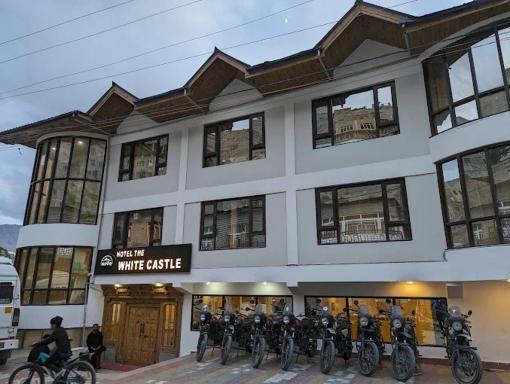
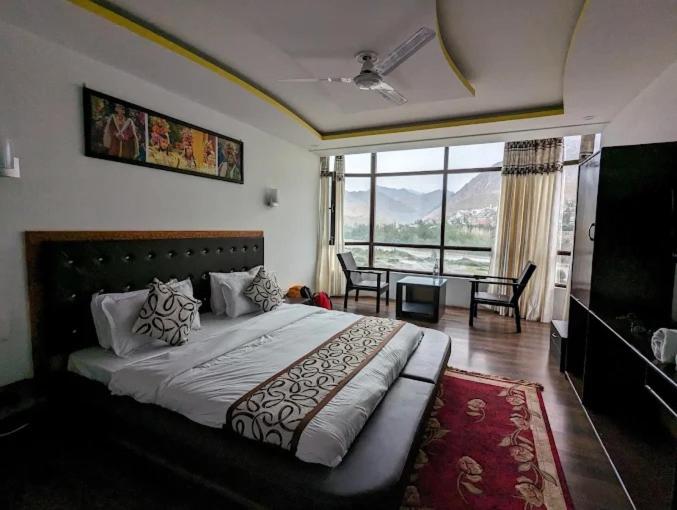
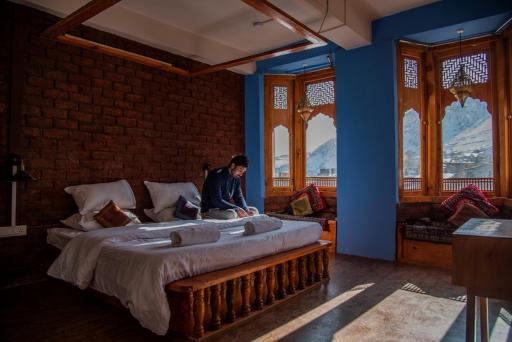
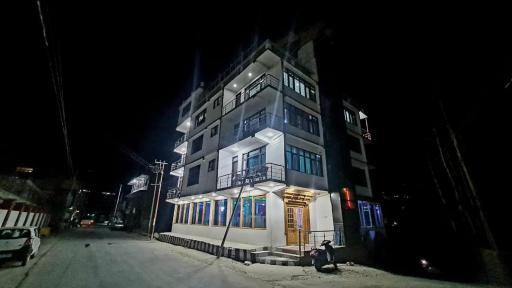
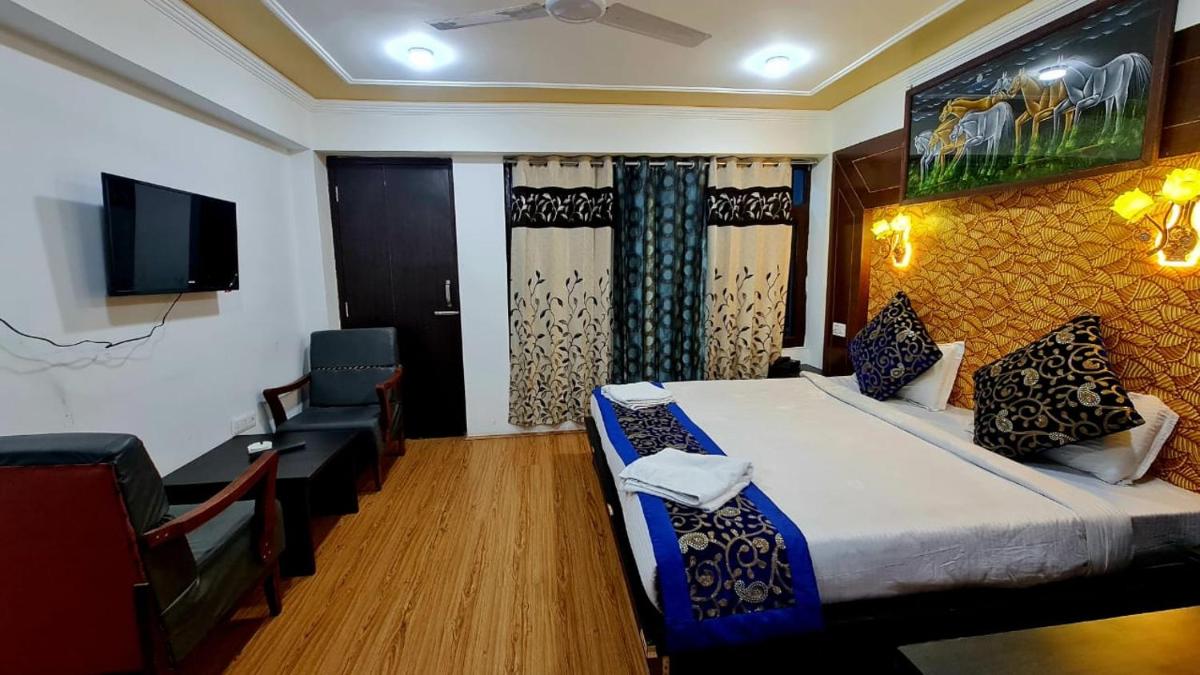
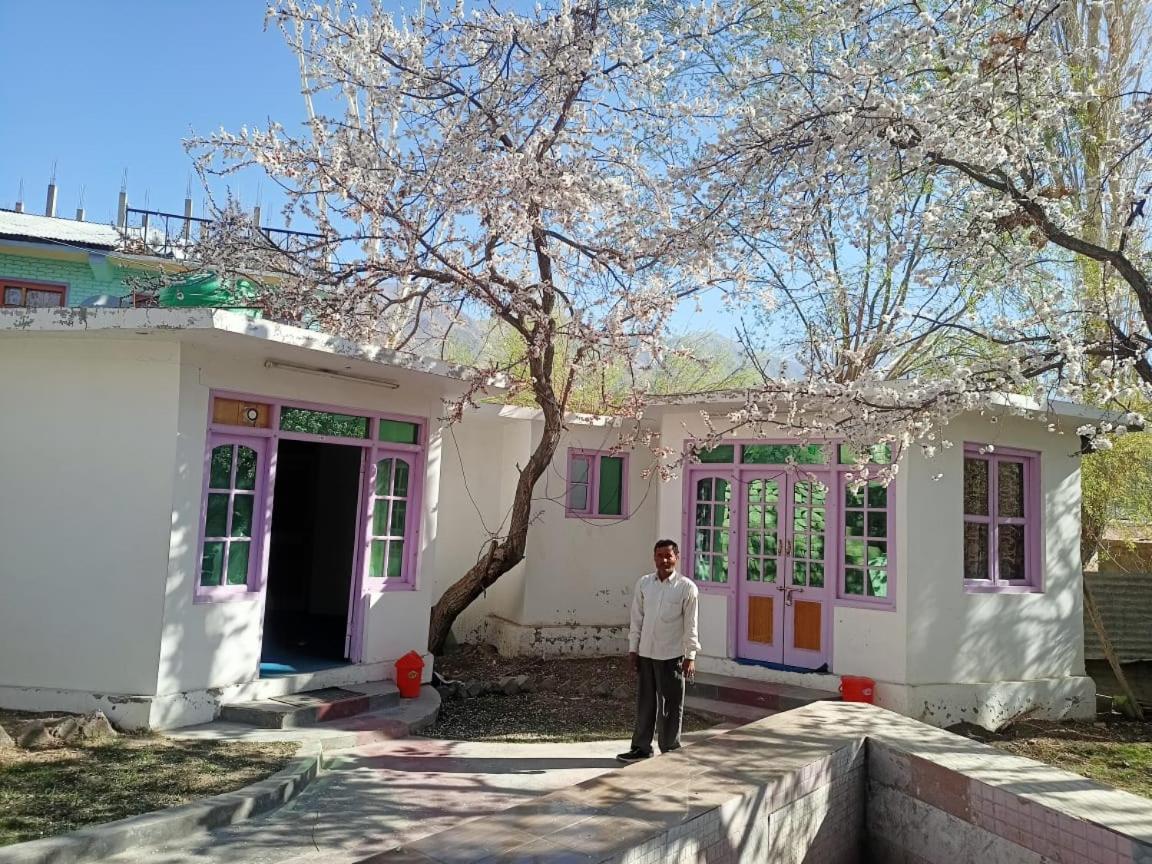
Need a place to stay in Kargil? Explore the finest hotels and accommodations, from luxurious resorts to affordable options. Whatever your budget, you’ll find the perfect spot to relax and enjoy your stay in Kargil.
 What would you recommend to travelers visiting Kargil? Leave your tip for them!
Kargil is a great destination, but the surrounding cities and natural attractions are not to be overlooked. Explore the best nearby spots for a richer travel experience.
 Kargil, India
  See on map
The Kargil War, also known as Operation Vijay or Operation Skymaster, was a conflict between India and Pakistan that occurred from June 5 to July 8, 1999. It began when Indian troops defending their Line of Control (LoC) were attacked by Pakistani infiltrators across the border into the Siachen Glacier region. This led to a major military engagement where both sides engaged in fierce combat over the following weeks.
The Kargil War significantly strained relations between India and Pakistan. It led to increased tensions on the border, culminating in a full-scale war in 1965, which ended with the signing of the Simla Agreement in 1972. Following the Kargil conflict, there was a period of de facto peace along the Line of Control but sporadic skirmishes continued until 1998. The war also marked the beginning of nuclearization in South Asia and had long-lasting political implications for both countries.
The Kargil Campaign saw the involvement of several Indian Army units including the Gorkha Rifles, the Frontier Force Regiment (FFR), the Srinagar-based infantry battalion, and various paramilitary forces such as the Border Security Force (BSF). These units worked together under the command of Major General Jyotirpal Singh, who coordinated the operations to retake the strategically important positions held by Pakistani forces.
The outcome of the Kargil War bolstered India's strategic position in the region. The successful defense of the LoC and subsequent recapture of disputed territories demonstrated India's capability to defend its borders effectively. This victory helped stabilize the situation along the Indo-Pakistani border and reinforced India's resolve to protect its national interests. However, the conflict also highlighted the need for improved communication and coordination among different branches of the armed forces.
The Kargil War had profound impacts on modern-day geopolitics in South Asia. It underscored the importance of maintaining a robust and capable military infrastructure. The war also contributed to the ongoing arms race in the region, particularly regarding missile technology and nuclear capabilities. Additionally, it led to discussions about regional stability mechanisms and the potential for future conflicts to escalate into larger wars.

Subscribe to our newsletter and get the best offers!
By entering your email address, you agree to receive personalized offers and automated commercial communications, including promotions about our products and services, as well as those from selected partners (without sharing your data with third parties). For more details or to withdraw your consent, please refer to our Privacy Policy. You can unsubscribe at any time via the link in the email.
 Español
  Français
  Deutsch
  Italiano
  Nederlands
  Português
  Русский
  中文
中文  日本語
日本語 














 Thanks for your advice! We’ll keep it in mind.