









The site will open on the domain of the language you choose.

 Jakarta, Indonesia
They reside entirely without technological devices such as smartphones, thus avoiding reliance on electronic communication methods.
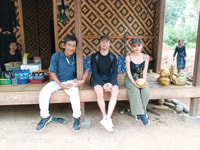
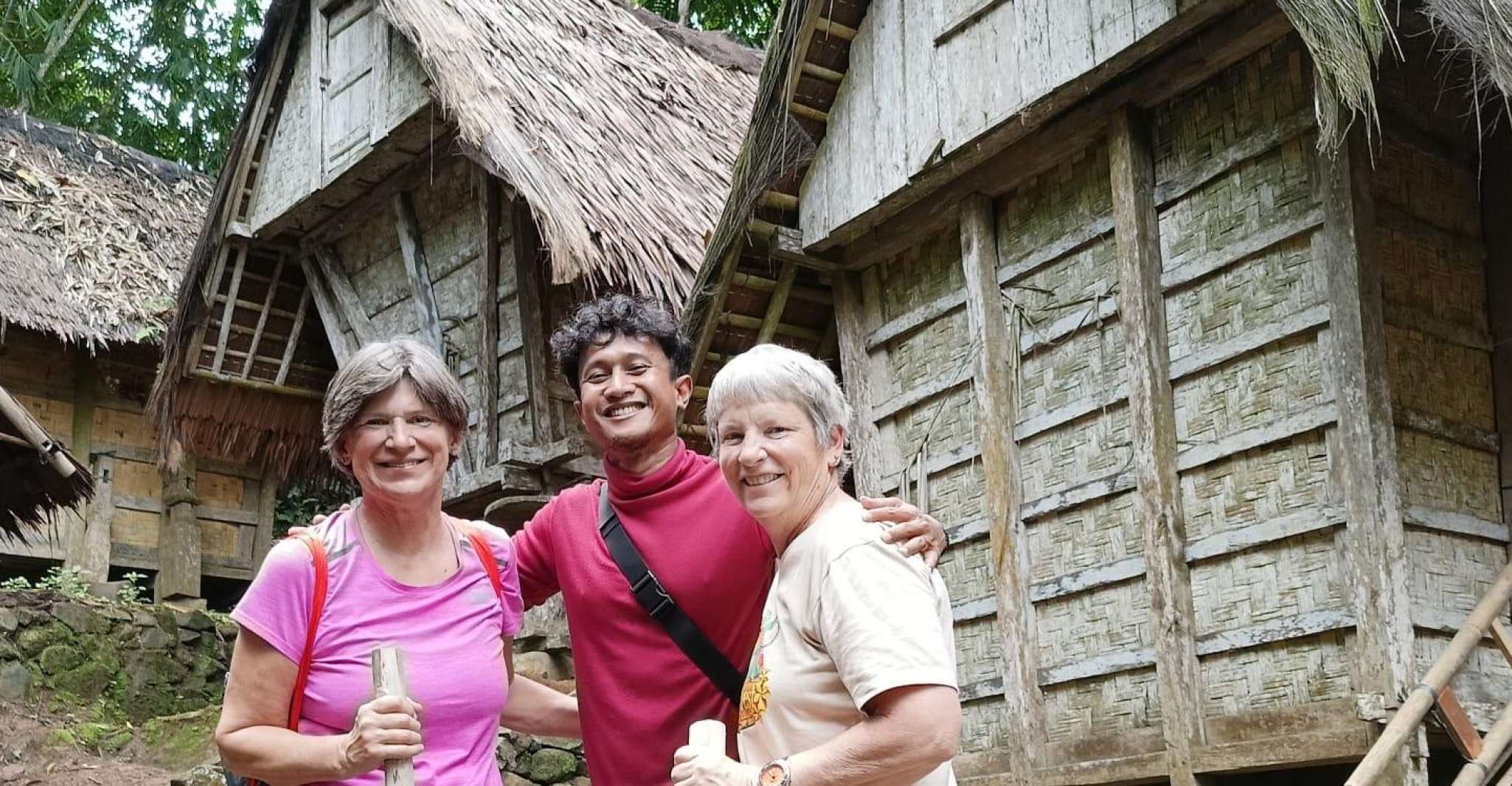
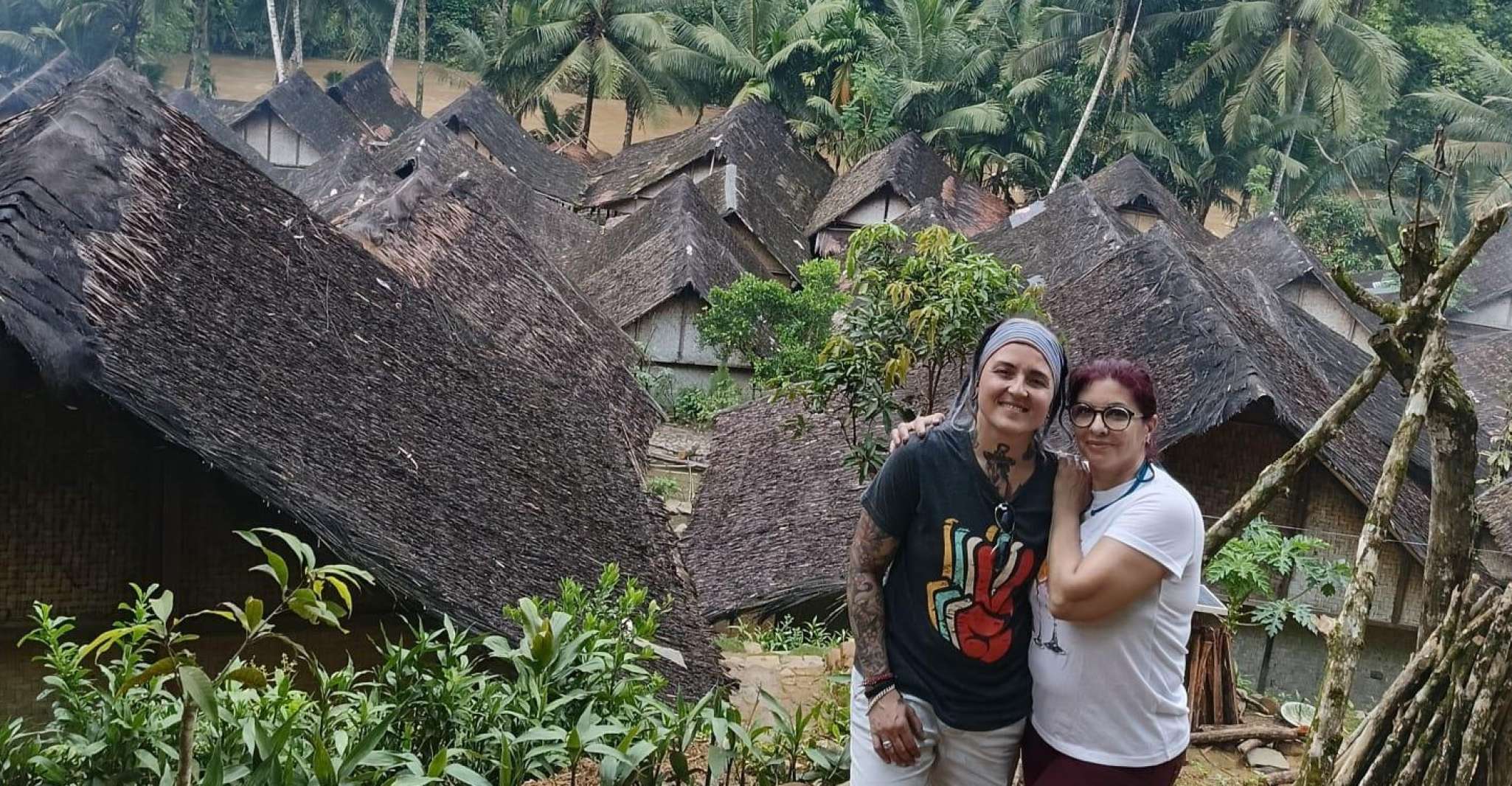
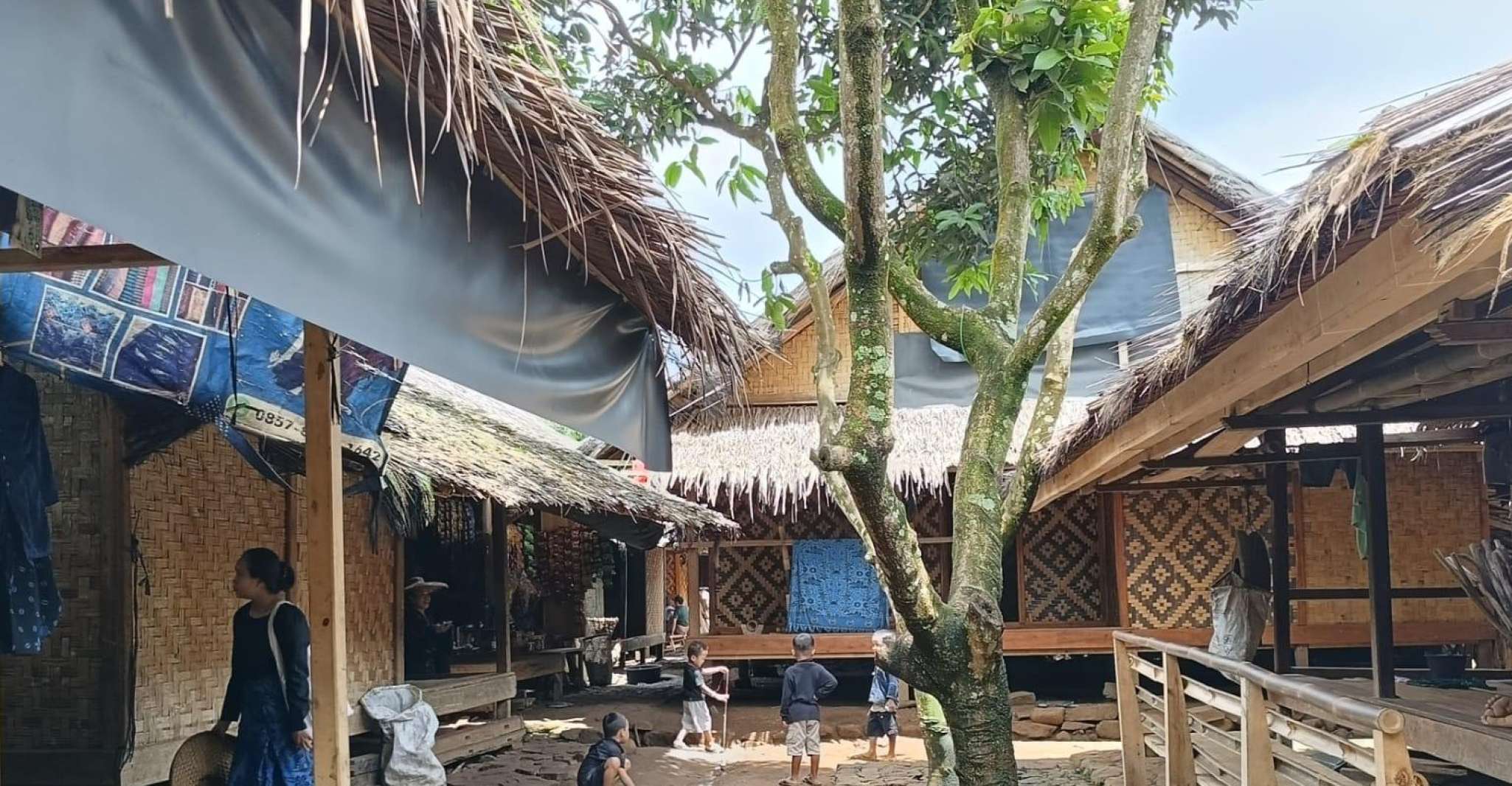
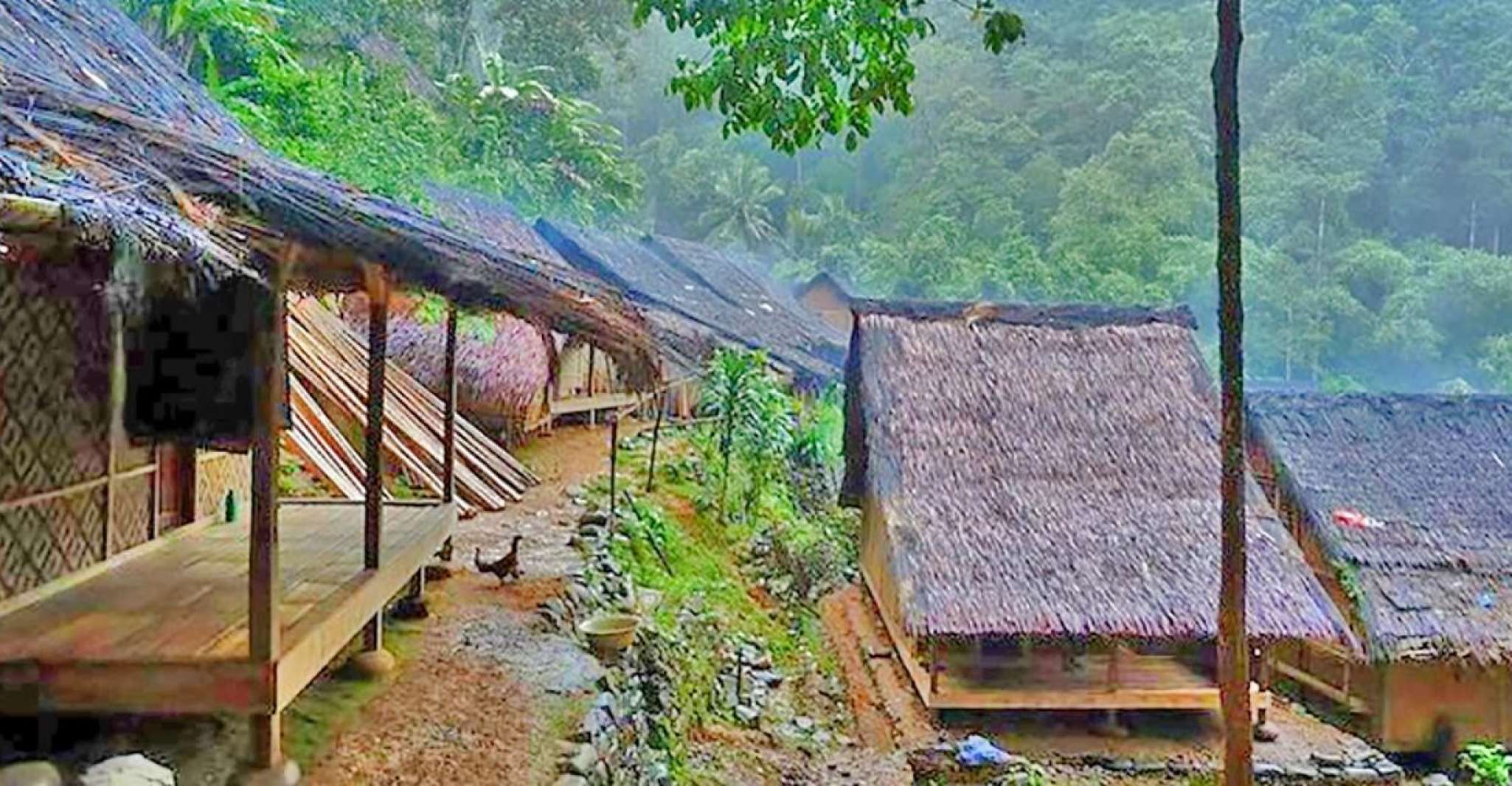
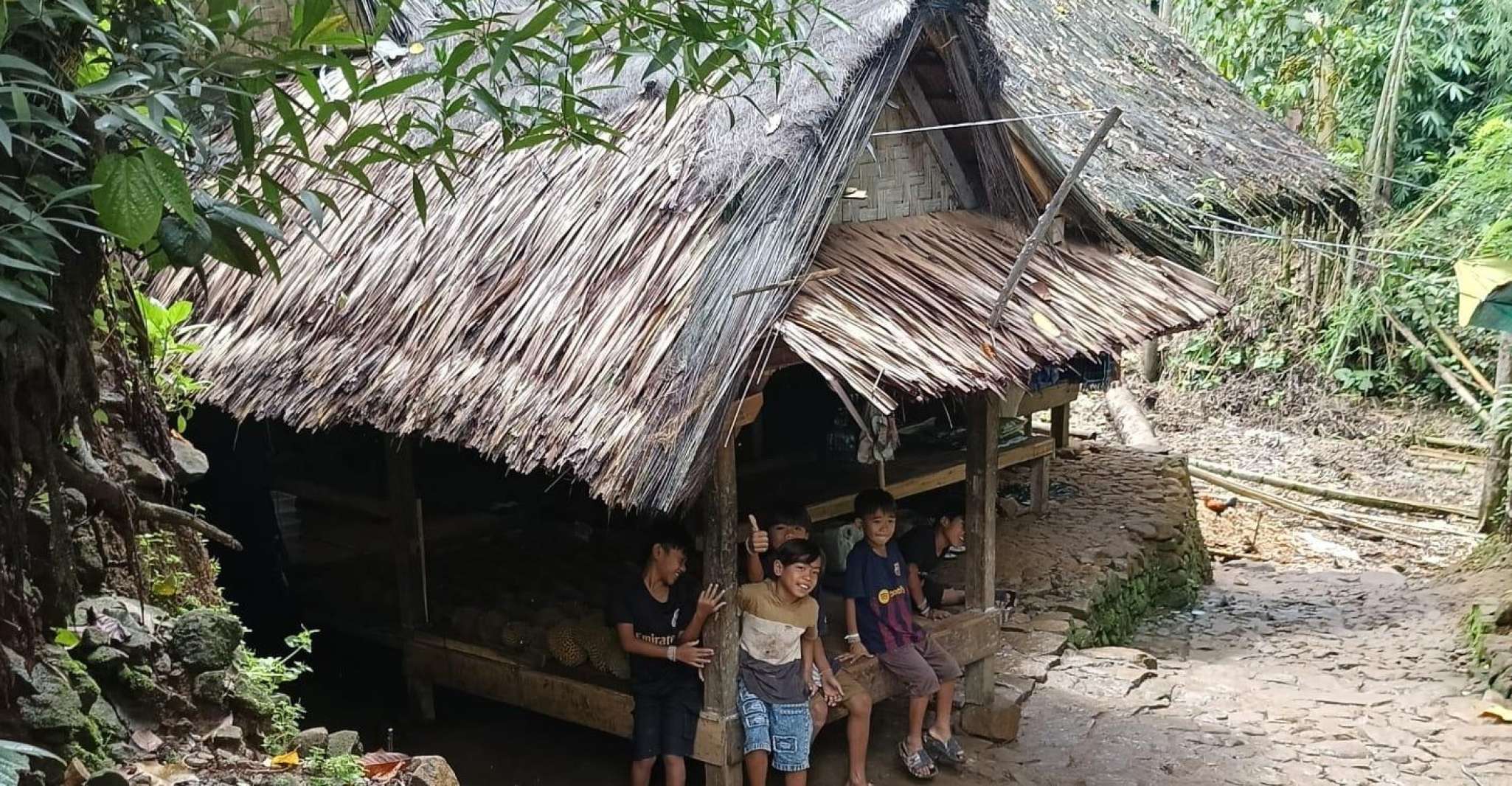
The Baduy tribe, commonly referred to as the Sunda Badui, constitutes an indigenous Sundanese populace residing within the Lebak Regency, Banten Province. With a population estimated at approximately 26,000 individuals, the Baduy tribesmen adhere to ancestral traditions while maintaining a degree of isolation from contemporary societal norms.
Living independently, the Baduy tribe has historically preserved their unique culture, free from technological advancements such as electricity, footwear, or mobile phones. Their traditional attire consists solely of simple woven garments, reflecting their nomadic lifestyle rooted in the natural environment.
Their self-proclaimed identity, "Urang Kanekes," underscores their connection to the sacred Kanekes territory, situated atop the Kendeng Mountain in South Banten. This designation encapsulates the essence of their communal existence, emphasizing their reverence for nature and adherence to ancient rituals.
The Baduy tribe's distinctiveness lies in their methodical approach to preserving their cultural integrity. By limiting interactions with the broader society, they safeguard their customs from potential erosion. Despite these protective measures, the Baduy tribe continues to engage with the outside world sporadically, primarily through limited educational exchanges and occasional trade relationships.
Historically, the Baduy tribe's resilience in resisting Islamic influence can be traced back to the 16th century, when they fiercely opposed the spread of Islam under the leadership of the Padjajaran Sultanate. Legends recount their struggle against Muslim domination, culminating in their migration to the remote regions of Kanekes. Since then, the Baduy tribe has steadfastly maintained its cultural identity, defying attempts at assimilation into mainstream Indonesian society.
Today, the Baduy tribe operates within a hierarchical structure, dividing society into distinct communities. The Inner Baduy, or "Hari Raya" members, reside in secluded sanctuaries known as "Taneh Larangan." These areas serve as sanctuaries, protecting the Baduy from external influences and ensuring the perpetuation of their spiritual practices. Access to these sanctuaries is strictly regulated; visitors may carry knives but are prohibited from acquiring other forms of technology.
This selective openness allows the Baduy tribe to navigate modernity without compromising their core beliefs and values. Through careful stewardship of their cultural heritage, the Baduy tribe remains a symbol of enduring tradition amidst changing times.
 Book
Book
| Itinerary |
|
|---|---|
| Highlights | The primitive village exists without technology, lacking access to electricity or telephones. It is maintained through the preservation of cultural practices inherited from its ancestors. The inhabitants of this community primarily travel on foot after arriving at their destination. |
| Includes |
|
| Not suitable for |
|

Free cancellation
For reservations made within 24 hours of cancellation, a full refund will be provided.

Reserve now & pay later
Please maintain flexibility in your travel arrangements by booking your accommodation and making payments today at no cost.

Duration 10 hours
Verify the schedule to ascertain commencement times.

Live tour guide
Please provide the text that needs to be rewritten in a formal manner.
Private group
Please provide the text that needs to be rewritten in a formal manner.
From
127€Per Person
Please maintain flexibility in your travel arrangements by booking your accommodation and making payments today at no cost.
 Give as a gift
Jakarta, Indonesia  See on map
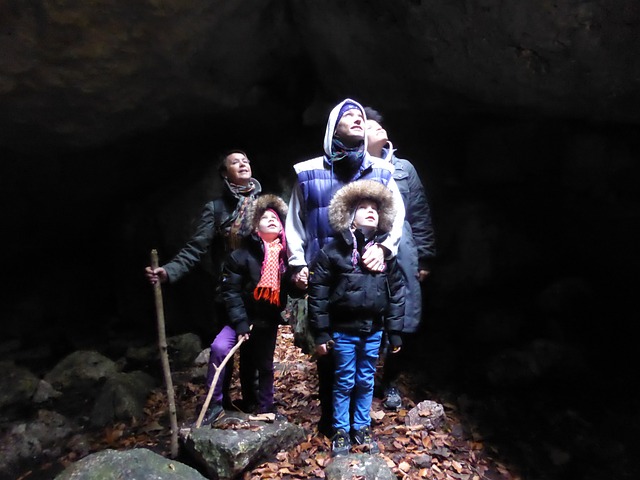
The Baduy tribe is known for preserving their unique culture, adhering to ancestral traditions, and maintaining a degree of isolation from contemporary societal norms.

10
Excelent
Jakarta, Indonesia
10
Excelent

Jakarta, Indonesia
10
Excelent
Jakarta, Indonesia
10
Excelent

Jakarta, Indonesia

Jakarta, Indonesia

Jakarta, Indonesia
Jakarta, Indonesia
Jakarta, Indonesia










9.6
Excelent

Jakarta, Indonesia
9.9
Excelent

Jakarta, Indonesia
9.8
Excelent

Jakarta, Indonesia
9.6
Excelent

Jakarta, Indonesia
9.2
Excelent
Jakarta, Indonesia
9.2
Excelent
Jakarta, Indonesia
9.1
Excelent

Jakarta, Indonesia
9.1
Excelent

Jakarta, Indonesia

Subscribe to our newsletter and get the best offers!
By entering your email address, you agree to receive personalized offers and automated commercial communications, including promotions about our products and services, as well as those from selected partners (without sharing your data with third parties). For more details or to withdraw your consent, please refer to our Privacy Policy. You can unsubscribe at any time via the link in the email.