 Español
  Français
  Deutsch
  Italiano
  Nederlands
  Português
  Русский
  中文
中文  日本語
日本語 8
Very good

 English

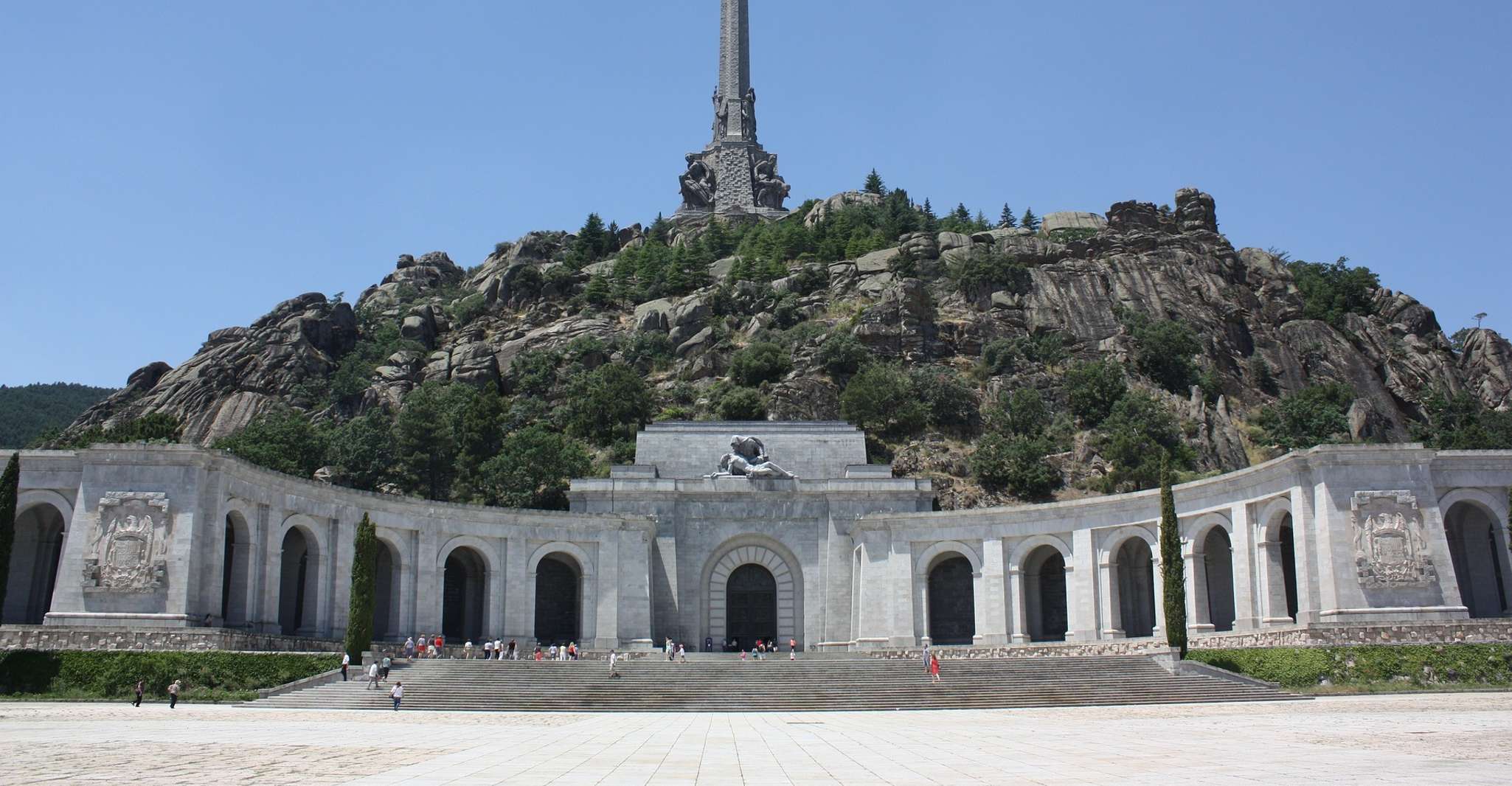
 Valle De Los Caidos, Madrid, Spain
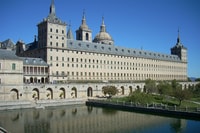
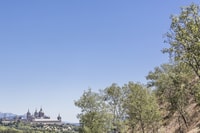
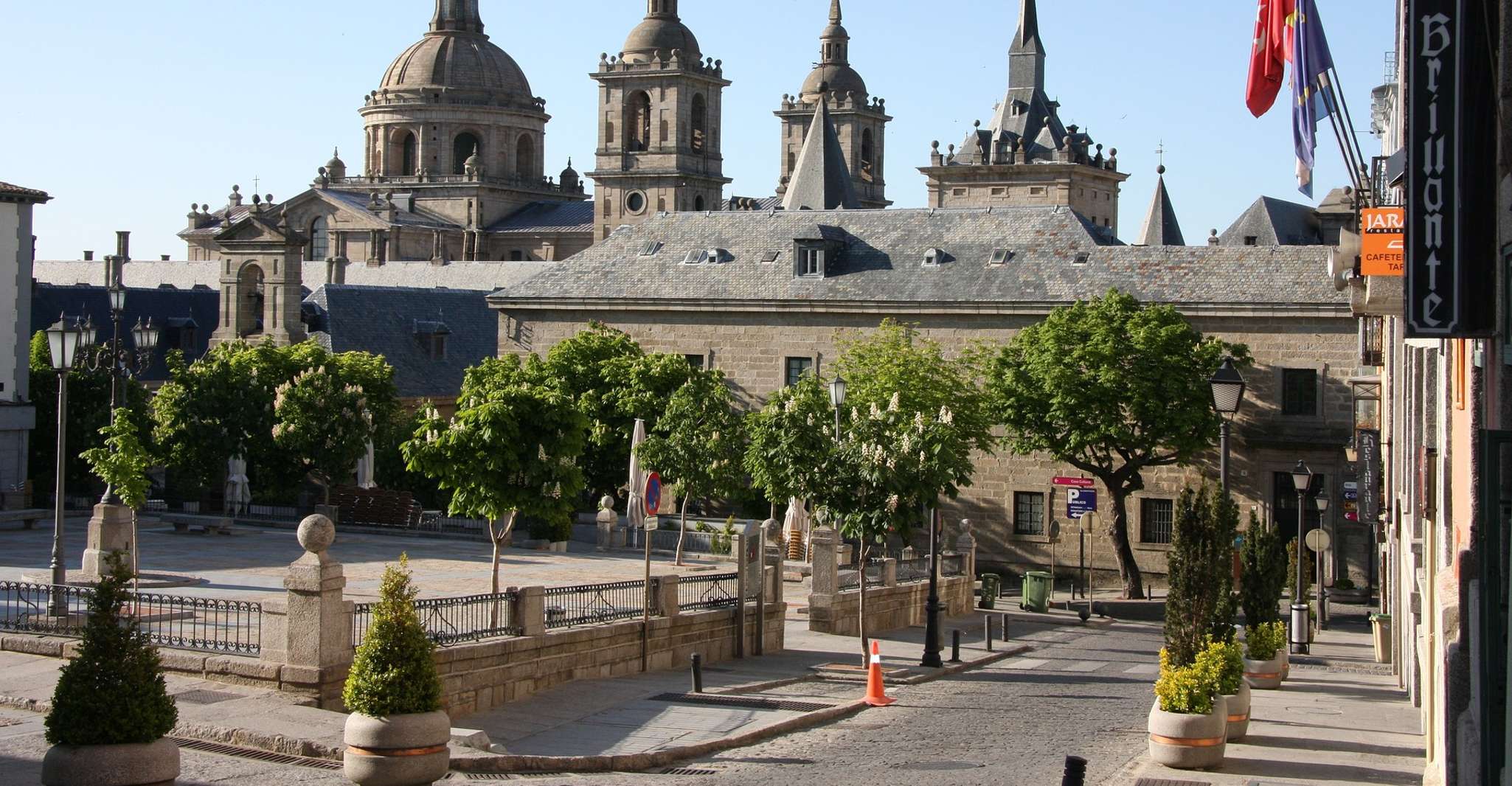
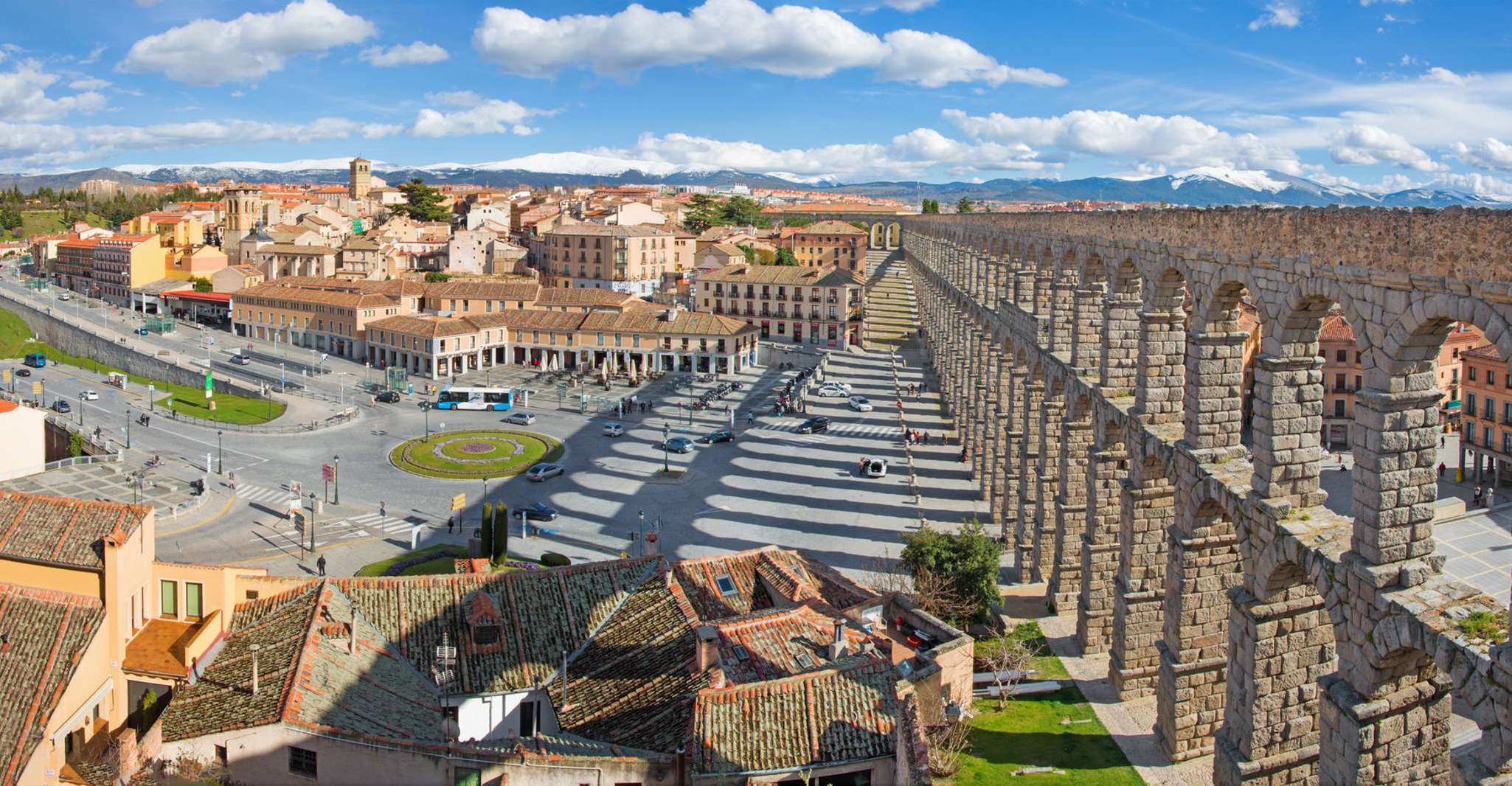
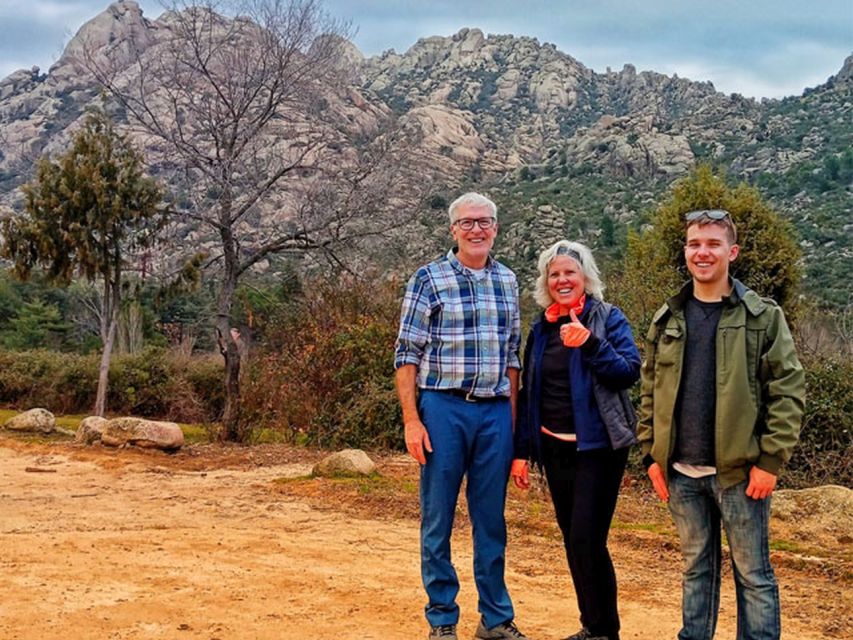
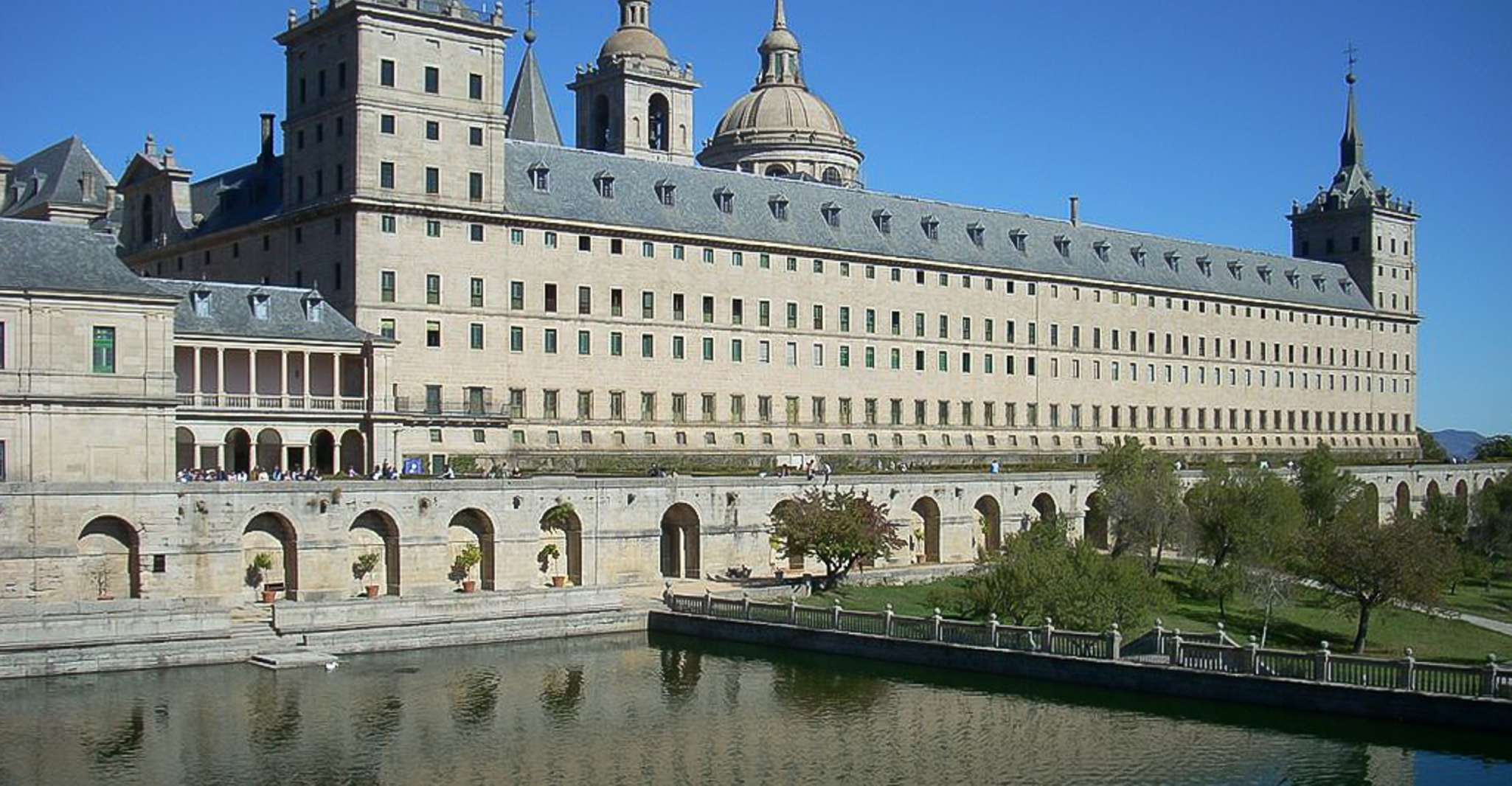
Explore the majestic Royal Monastery of El Escorial, recognized as a UNESCO World Heritage Site and emblematic of 16th-century Spanish imperial might. Ascend to the Basilica of the Valley of the Fallen, nestled within the rugged Sierras de Madrid, where breathtaking vistas await.
8
Very good
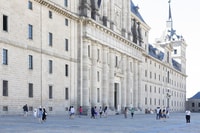
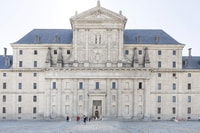
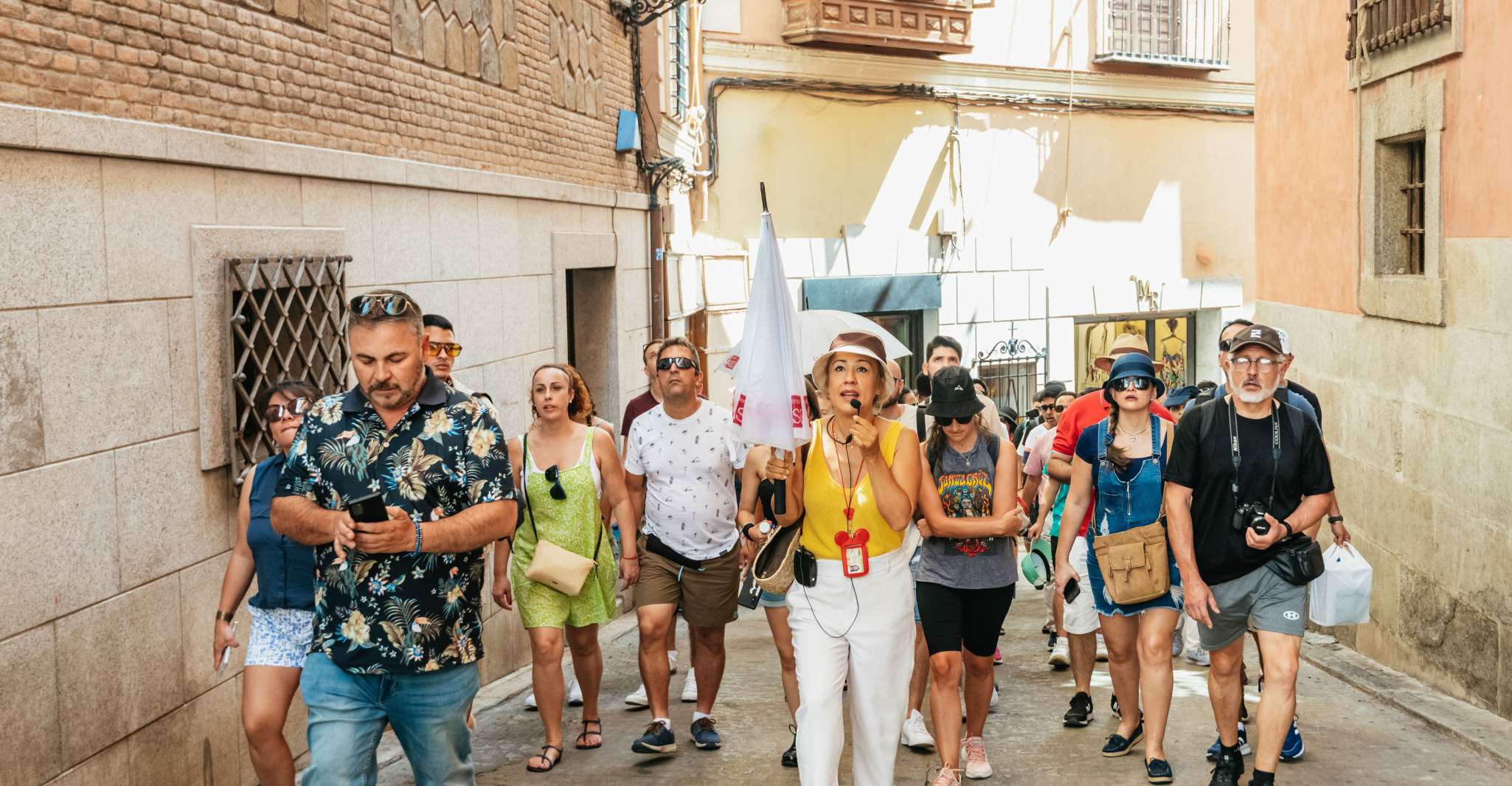
Upon concluding the meeting with your guide, embark upon a serene journey aboard a state-of-the-art air-conditioned coach. Upon reaching the inaugural destination, immerse yourself in a meticulously crafted guided tour through the Royal Monastery of El Escorial. This iconic architectural ensemble, designated as a World Heritage Site by UNESCO, epitomizes the grandeur of royal authority during the 16th century.
Admire the awe-inspiring Royal Mausoleum, a testament to the immense dedication and perseverance invested in its creation over two decades. Delve into the intricate details of this Renaissance-style structure, where each architectural element serves a purposeful function within the broader narrative of the monarchy.
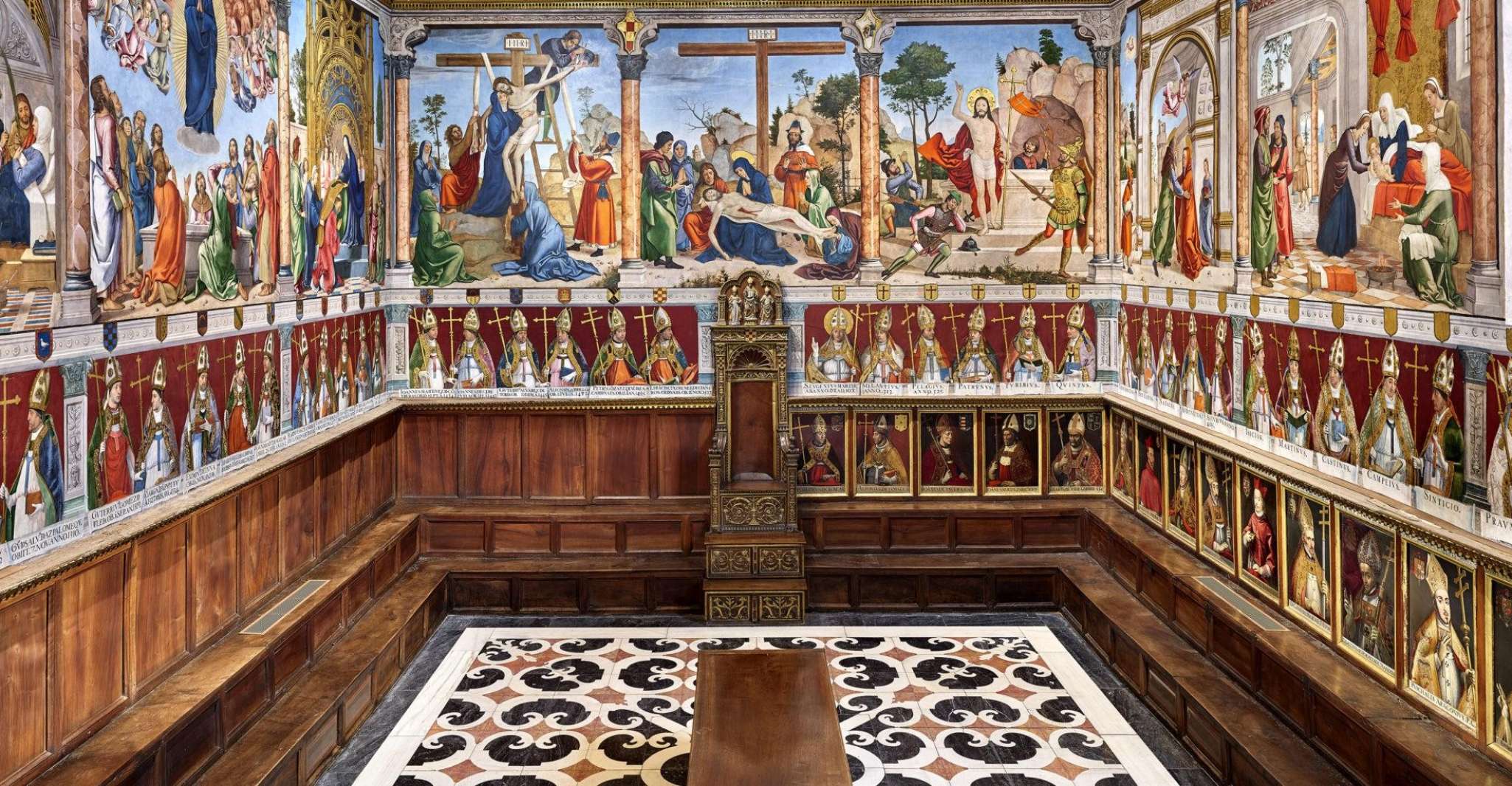
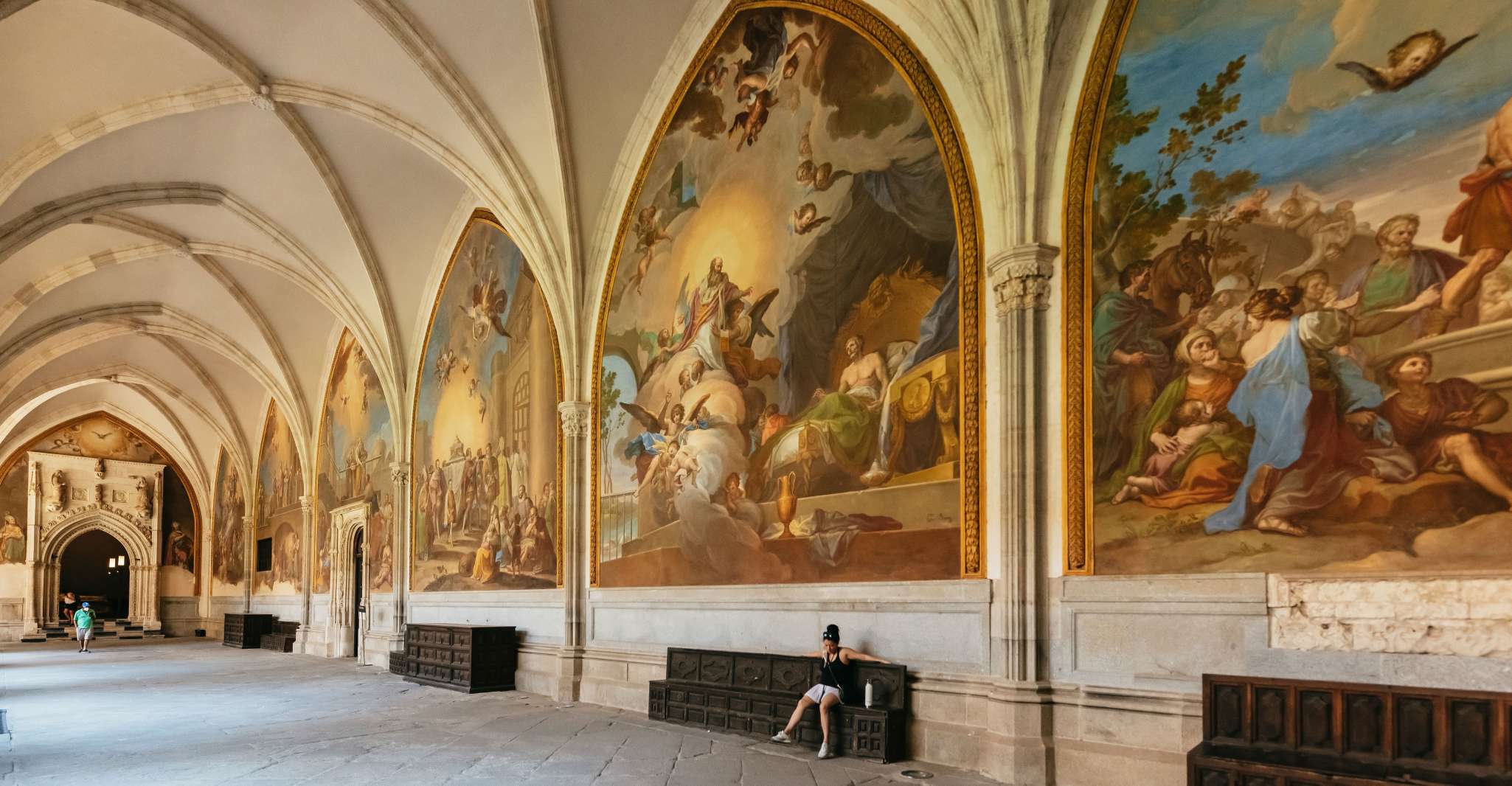
Engage with your knowledgeable guide as you traverse the Habsburg Palace, the Chapter House, the Basilica, and the extraordinary library. Each historical insight enriches your understanding of the monastic complex’s rich history and cultural significance.
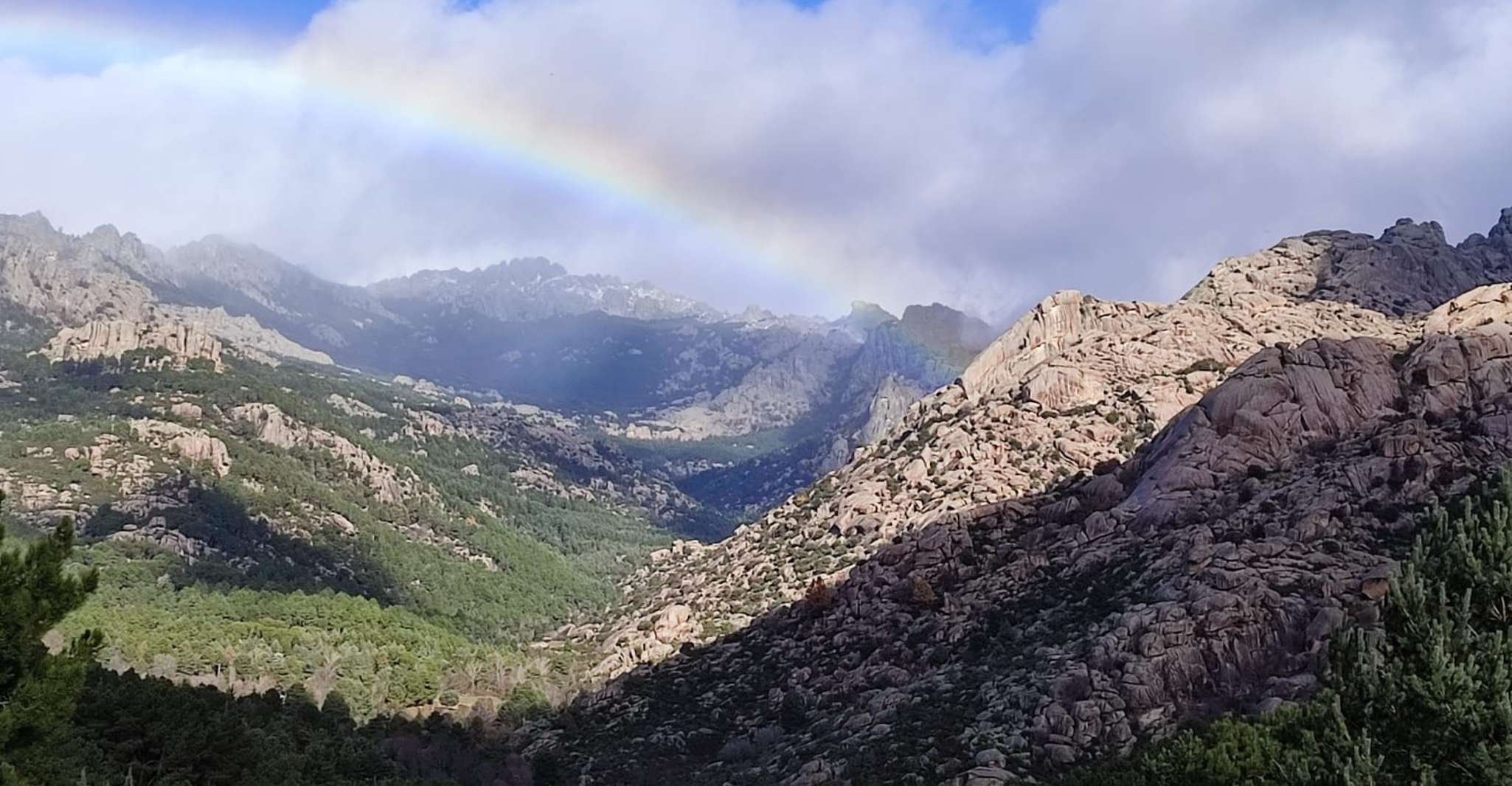
Next, transition seamlessly onto another vehicle for a brief excursion towards the Valley of the Fallen. Located approximately nine kilometers north of El Escorial, this monumental site is situated amidst the Sierra de Guadarrama mountains. Constructed between 1940 and 1959, the valley stretches over 1,350 meters above sea level.
This colossal monument stands as a poignant reflection of human resilience and collective endeavor. The imposing cross, towering at a height of 150 meters, commands attention from vast distances, while the surrounding natural landscape offers a breathtaking vista of verdant peaks and expansive vistas.
As you navigate through the winding paths of this majestic natural wonderland, take a moment to appreciate the harmonious integration of man-made structures with their rugged natural environment.
 Book
Book
| Itinerary |
|
|---|---|
| Highlights | Visiting the Monastery of El Escorial entails touring the Habsburgs Palace. A notable feature is the Kings and Princes Mausoleum. The extensive Basilica of the Valley of the Fallen merits admiration for its grandeur. |
| Includes |
|
| Not suitable for | Persons using wheelchairs |

Free cancellation
To request a full refund, cancellation should be made at least 24 hours prior to the scheduled event or service.

Reserve now & pay later
Ensure that your travel arrangements remain adaptable by booking your accommodation and making payments at no cost today.

Duration 5.5 hours
Please verify the availability to ascertain the commencement timings.

Live tour guide
Spanish is one of the most widely spoken languages globally. It is also an official language in several countries including Spain, Mexico, and Argentina. In addition to its widespread use, Spanish has a rich literary tradition with notable works by authors such as Miguel de Cervantes and Gabriel García Márquez.
From
64€Per Person
Ensure that your travel arrangements remain adaptable by booking your accommodation and making payments at no cost today.
 Give as a gift
Valle De Los Caidos, Madrid, Spain  See on map
The Royal Monastery of El Escorial is an iconic architectural ensemble located in Madrid, Spain. It was constructed between the late 15th and early 17th centuries under the patronage of King Philip II of Spain. Recognized as a UNESCO World Heritage Site, it epitomizes the grandeur of royal authority during the 16th century.
The Royal Monastery of El Escorial was primarily built under the patronage of King Philip II of Spain. However, other monarchs also contributed to its construction, including Charles V and his successors.
The Royal Monastery of El Escorial was largely completed between the mid-16th century and the early 17th century. Construction began in the latter half of the 15th century and continued intermittently until the early part of the 17th century.
The primary purpose of building the Royal Monastery of El Escorial was to serve as a place of worship and religious devotion for the Catholic Church. Additionally, it served as a symbol of the power and influence of the Spanish monarchy.
The Royal Monastery of El Escorial is classified as a UNESCO World Heritage Site due to its exceptional architectural and historical value.
One of the most distinctive features of the Royal Monastery of El Escorial is its extensive use of Renaissance architecture. The monastery's layout and design reflect the ideals of the Renaissance period, emphasizing symmetry, proportion, and harmony.
Visitors can expect to see various architectural elements such as the Chapel of the Conception, the Crypt of the Holy Sepulchre, and the Chapel of the Deposition. These buildings showcase the skills and craftsmanship of the time, providing insights into the artistry and engineering of the Renaissance era.
The Royal Monastery of El Escorial is located in Madrid, Spain.
Yes, the Royal Monastery of El Escorial is open to the public and attracts thousands of visitors annually.
10
Excelent
Madrid, Spain
10
Excelent
Madrid, Spain
10
Excelent
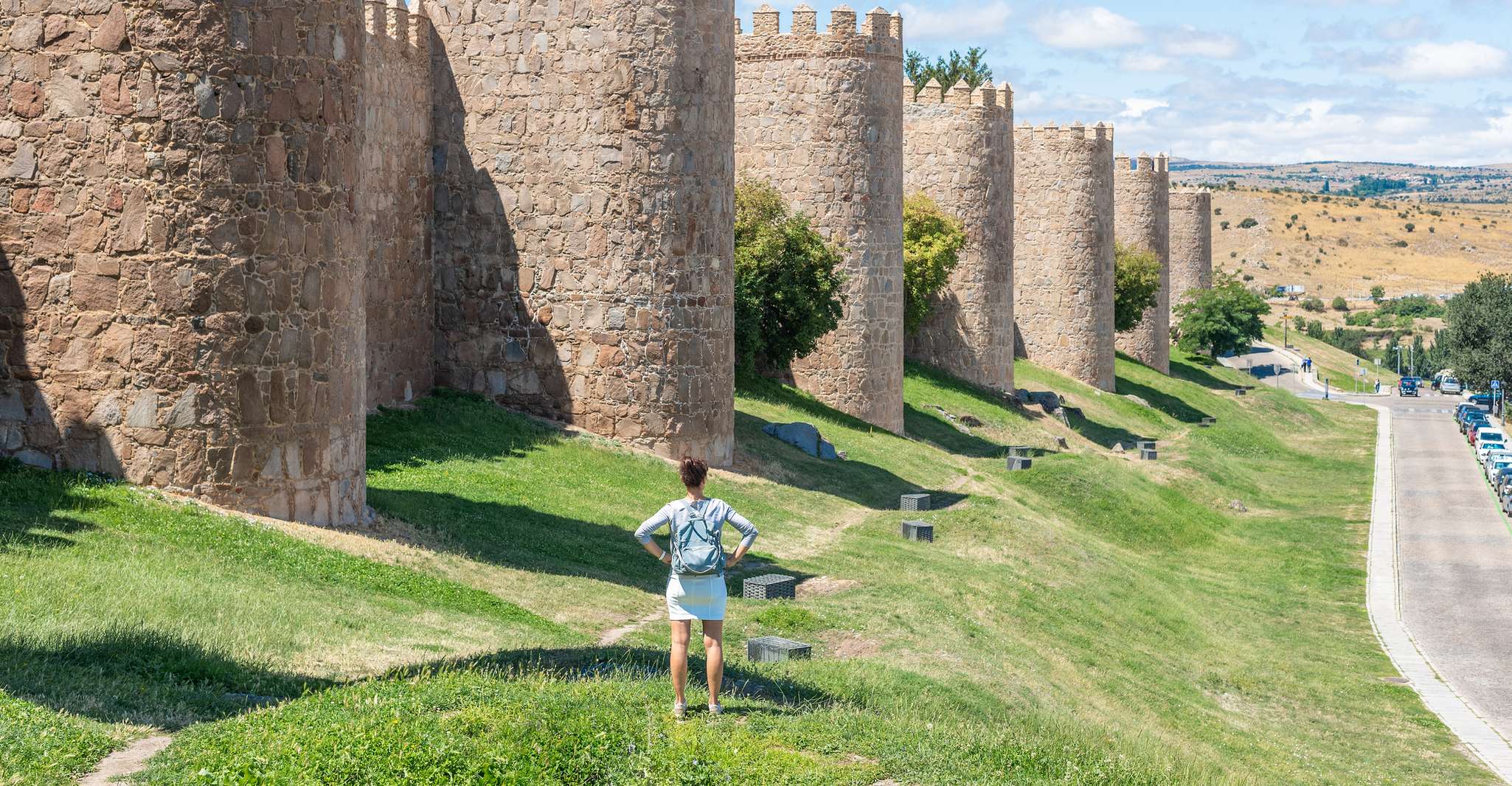
Madrid, Spain
10
Excelent
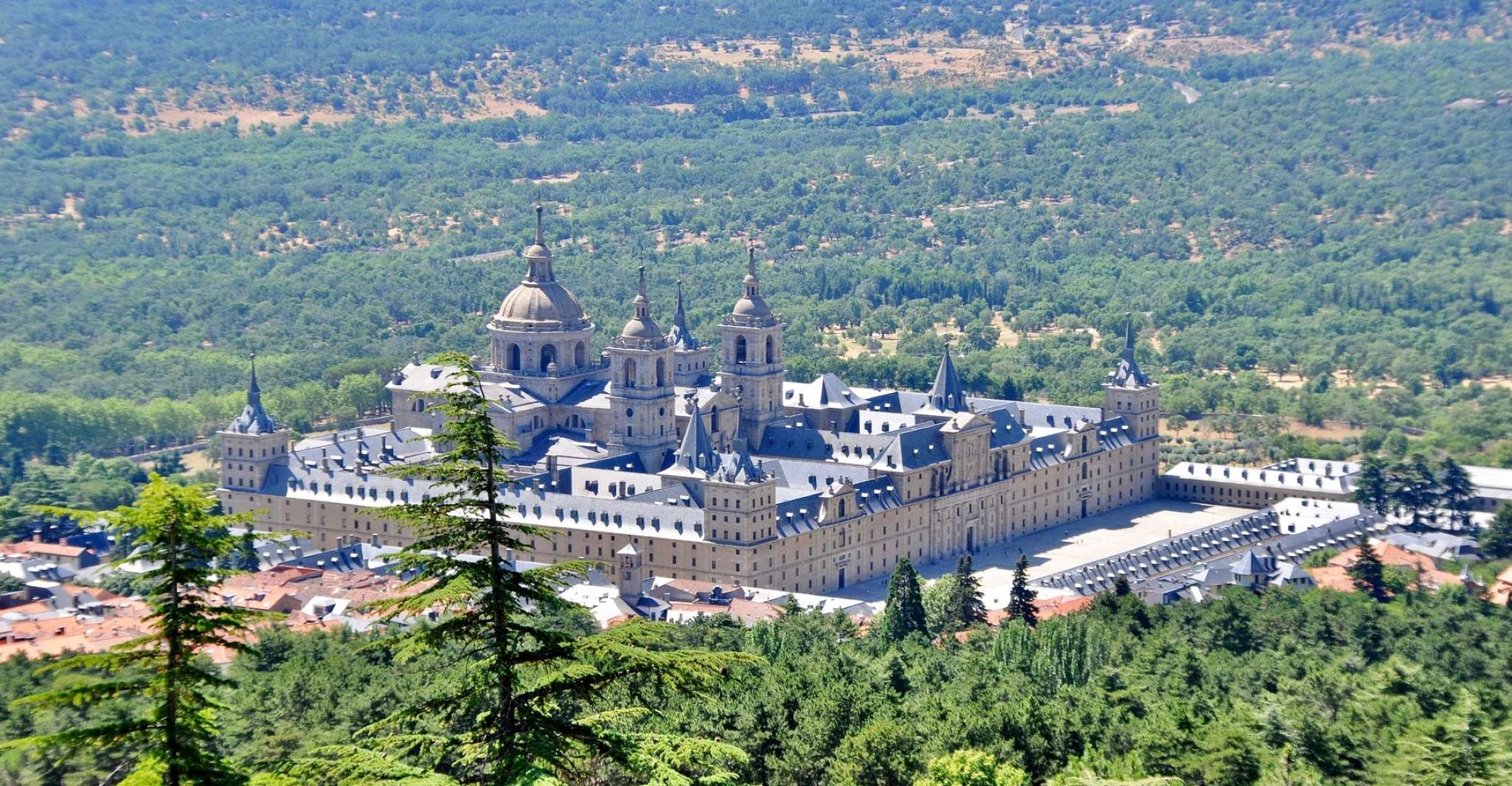
Madrid, Spain
10
Excelent
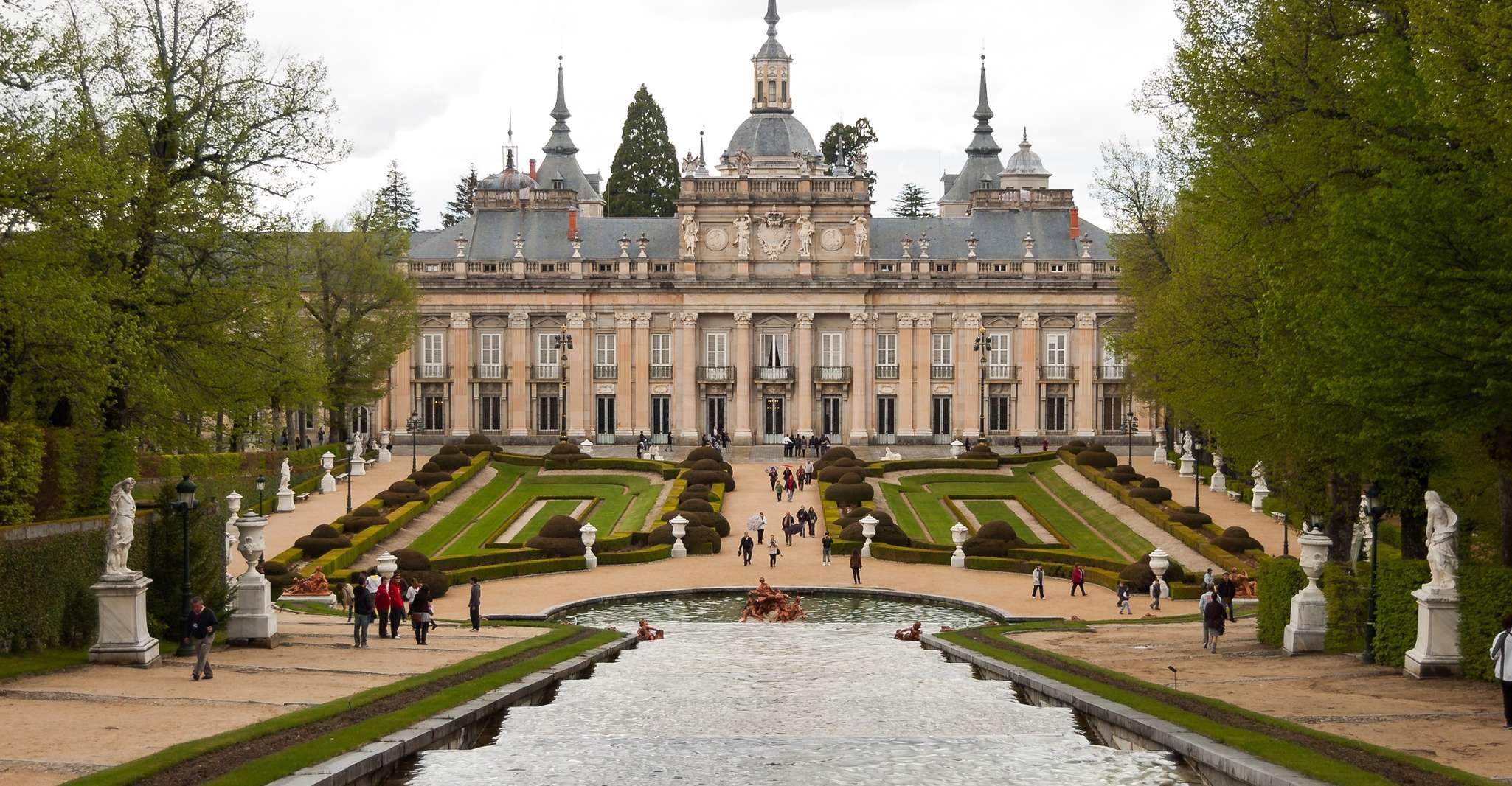
Madrid, Spain
10
Excelent
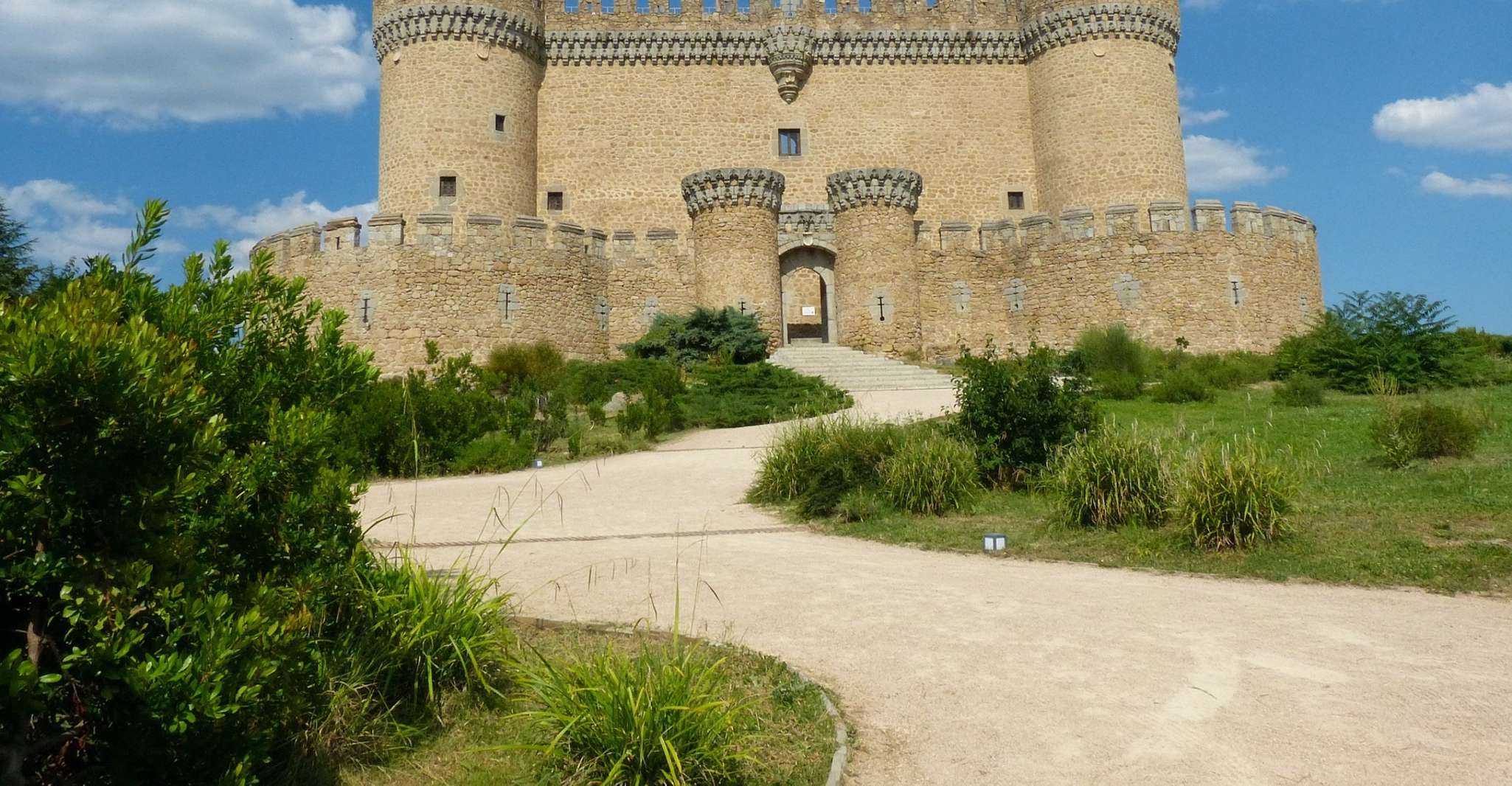
Madrid, Spain
8
Very good
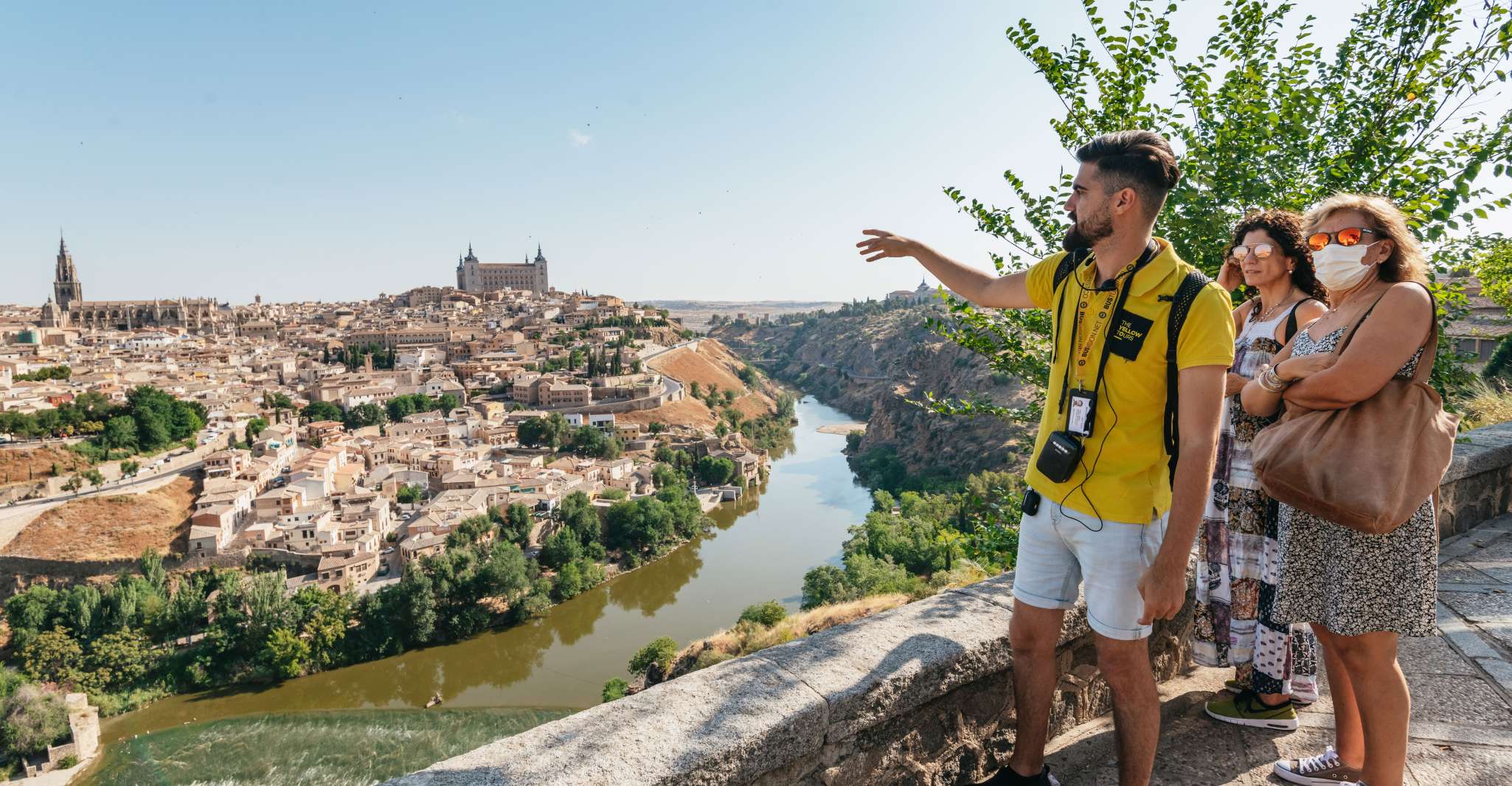
Madrid, Spain
8
Very good
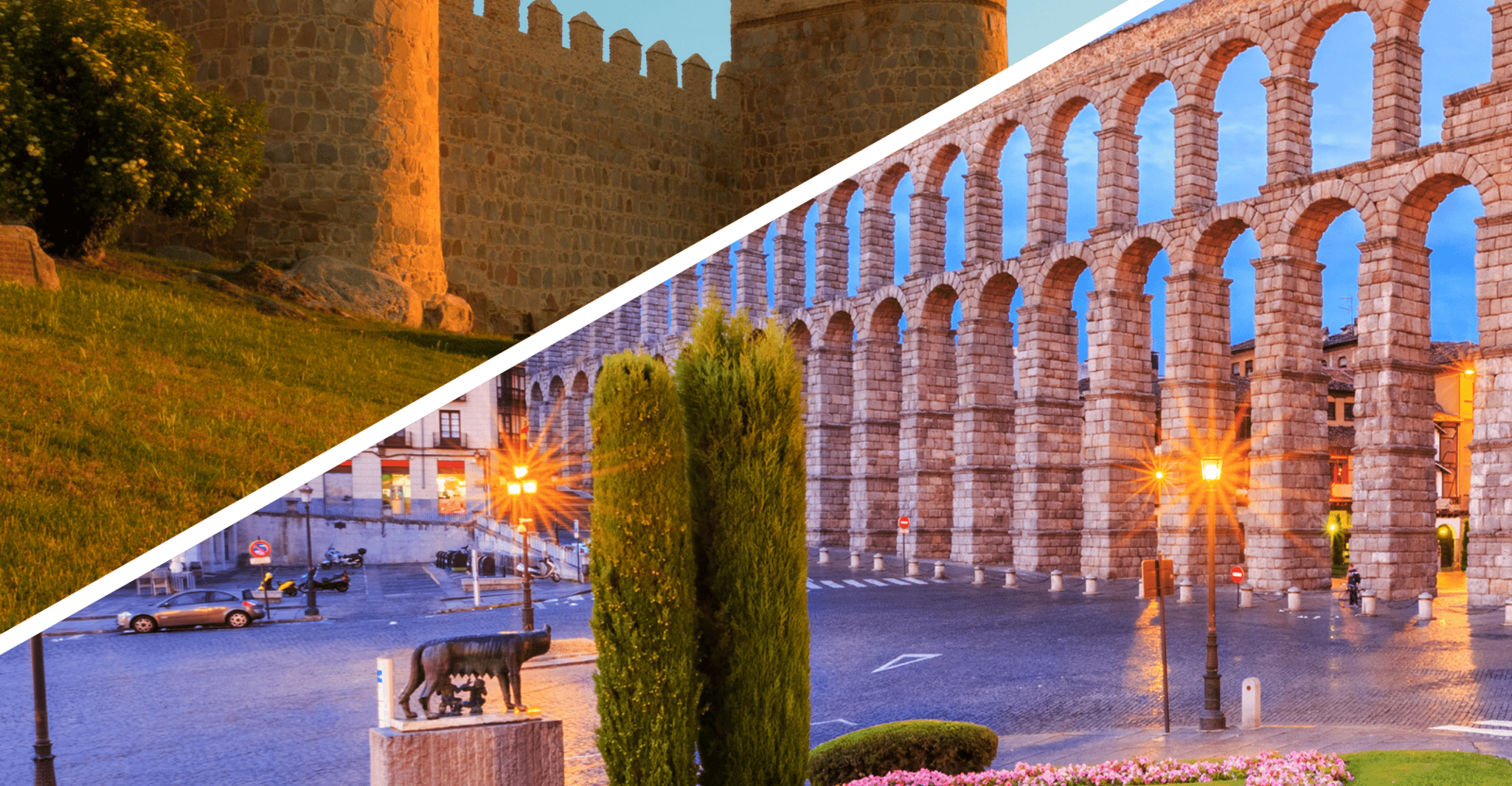
Madrid, Spain
9.5
Excelent
Madrid, Spain
9.2
Excelent
Madrid, Spain
9.2
Excelent
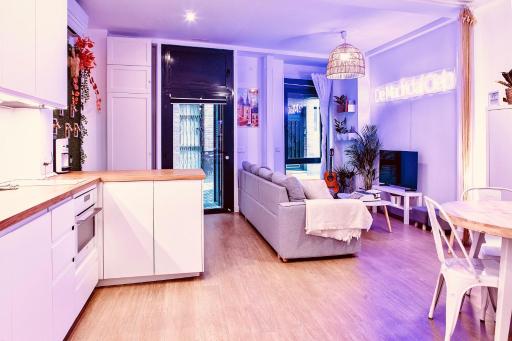
Madrid, Spain
9.1
Excelent
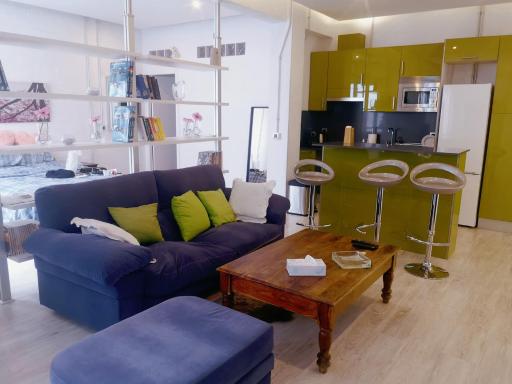
Madrid, Spain
9.1
Excelent
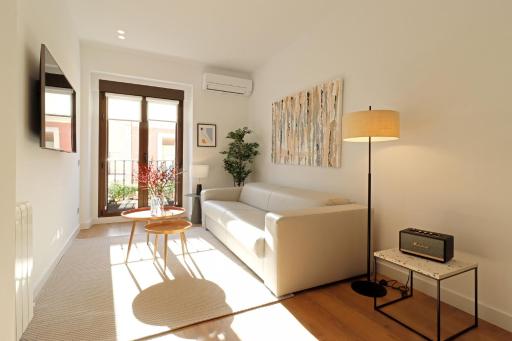
Madrid, Spain
9.1
Excelent

Madrid, Spain
9.1
Excelent
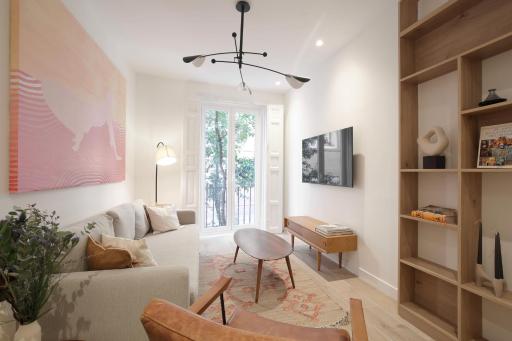
Madrid, Spain
9.1
Excelent
Madrid, Spain

Subscribe to our newsletter and get the best offers!
By entering your email address, you agree to receive personalized offers and automated commercial communications, including promotions about our products and services, as well as those from selected partners (without sharing your data with third parties). For more details or to withdraw your consent, please refer to our Privacy Policy. You can unsubscribe at any time via the link in the email.