 Español
  Français
  Deutsch
  Italiano
  Nederlands
  Português
  Русский
  中文
中文  日本語
日本語 10
Excelent

 English

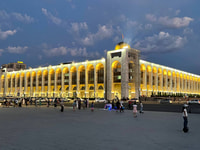
 Bishkek, Kyrgyz republic
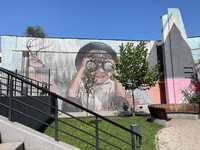
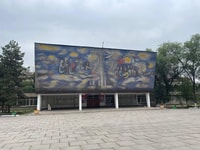
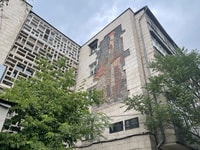
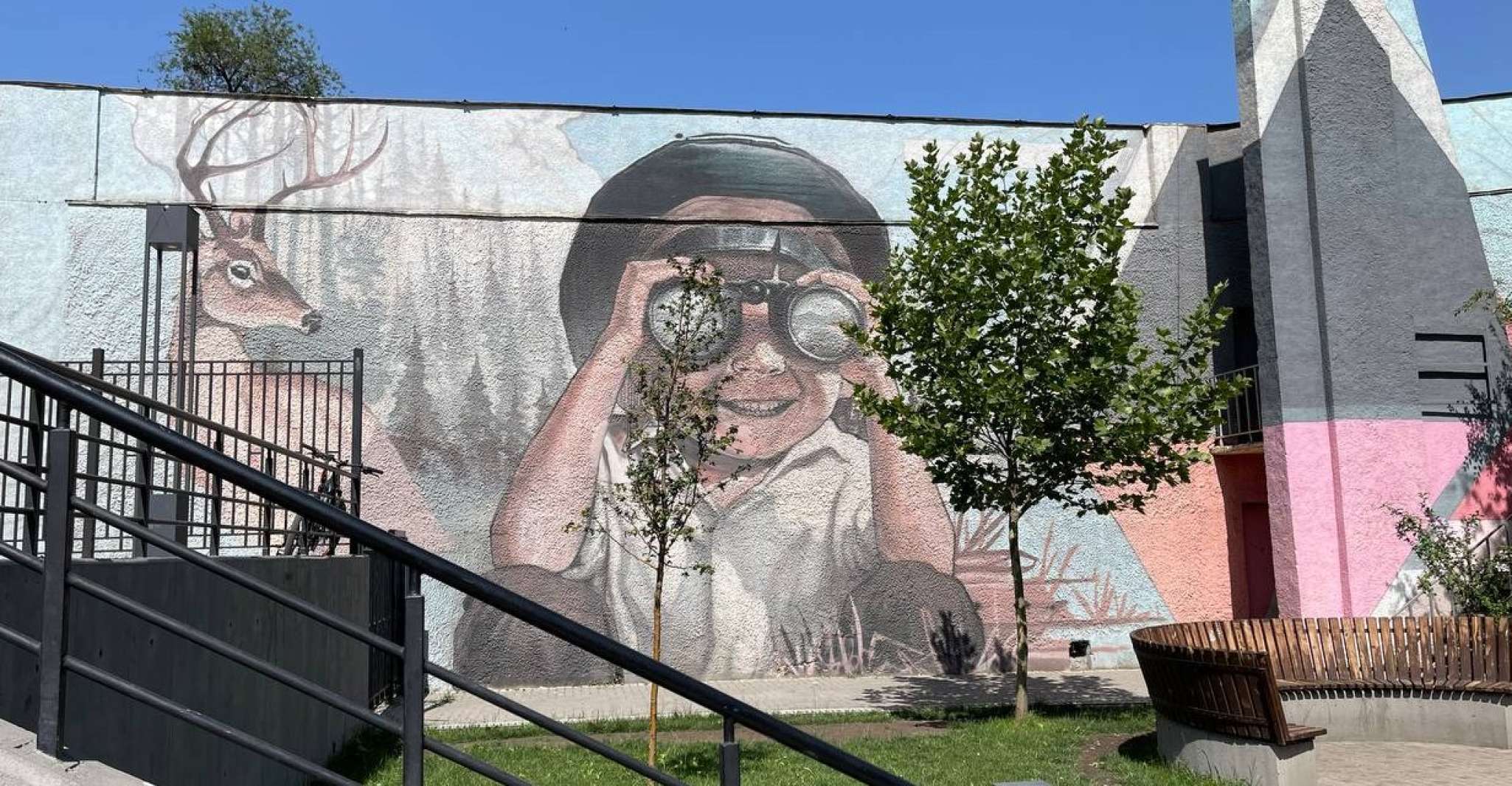
Street art from the city stands out for being distinctly diverse and original, with Soviet Mosaic Arts particularly noteworthy due to their exceptional uniqueness.
10
Excelent
You shall have the opportunity to explore various locations and art installations across the different versions. Subsequently, this shall enable you to gain insight into:
- Who was Vladimir Lenin and how the Soviet Union came into existence;
- How street art mirrors the societal landscape of Kyrgyz society;
- Why Soviet Union embraced mosaic arts.
 Book
Book
| Itinerary |
|
|---|---|
| Highlights |
|
| Includes |
|
| Not suitable for |
|

Free cancellation
Please cancel your booking at least two days prior to the scheduled event for a full refund.

Reserve now & pay later
Please maintain your travel arrangements as adaptable as possible, by booking your desired accommodation or activity with no upfront costs today.

Duration 4 hours
Please verify the availability to ascertain the commencement times.

Live tour guide
The languages mentioned are: English, Hindi, Pashto, Pushto, Urdu, and Punjabi.
Wheelchair accessible
The instruction has been received. Please provide the specific text to be rewritten in a formal manner.
From
64€Per Person
Please maintain your travel arrangements as adaptable as possible, by booking your desired accommodation or activity with no upfront costs today.
 Give as a gift
Bishkek, Kyrgyz republic  See on map
Vladimir Lenin played a pivotal role in the Bolshevik Revolution, which led to the establishment of the Soviet Union. He advocated for the creation of a communist state based on his vision of a classless society.
Street art serves as a reflection of contemporary social issues and cultural values within Kyrgyz society. It often captures everyday life, political events, and socio-economic conditions, providing insights into the community's concerns and aspirations.
The Soviet Union embraced mosaic arts because they were seen as a means to unite the nation under a shared artistic identity. Mosaics combined traditional folk motifs with modernist techniques, creating visually striking works that celebrated national heritage while also reflecting broader ideological themes.
10
Excelent

Bishkek, Kyrgyz Republic
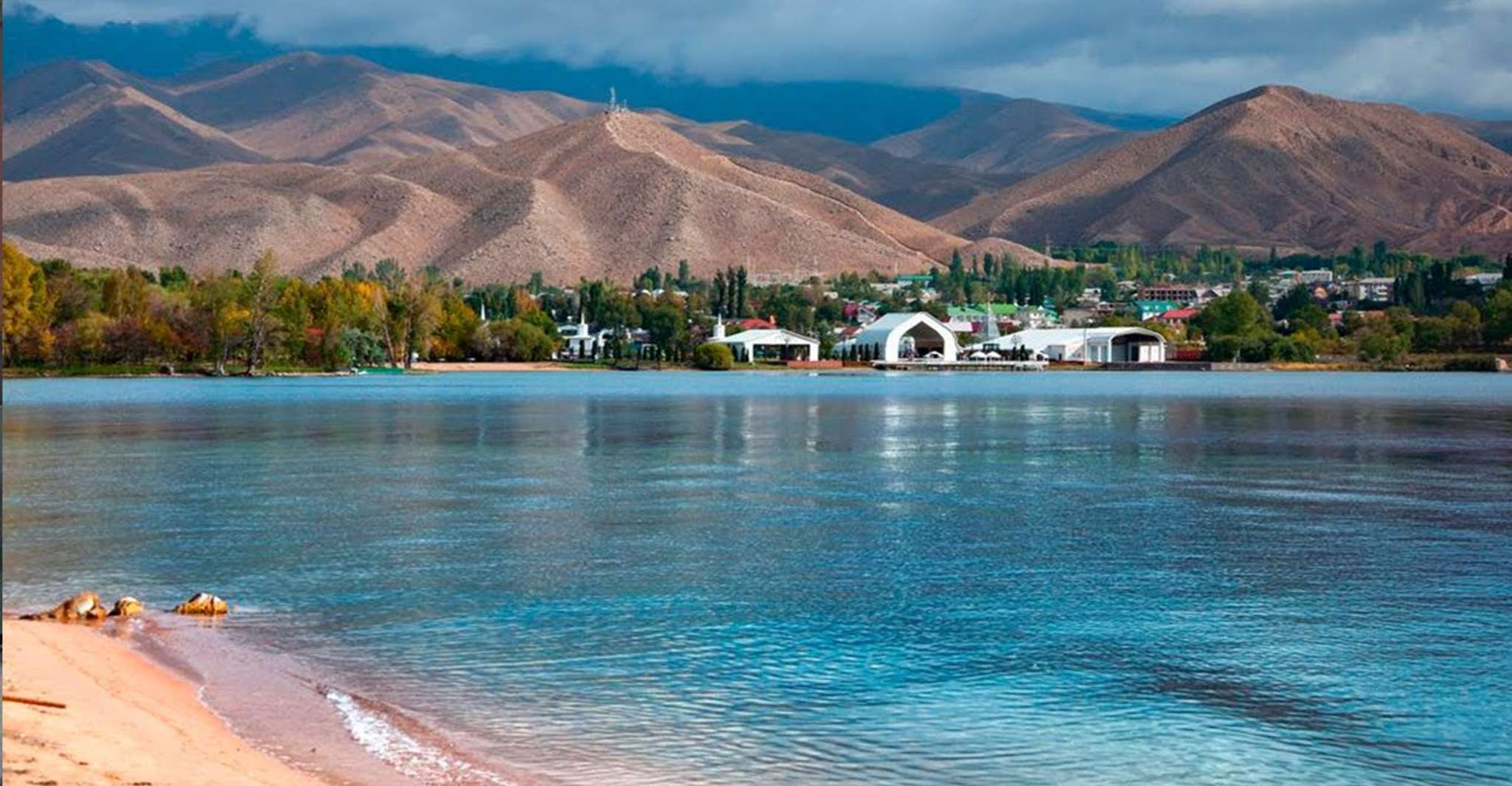
Bishkek, Kyrgyz Republic
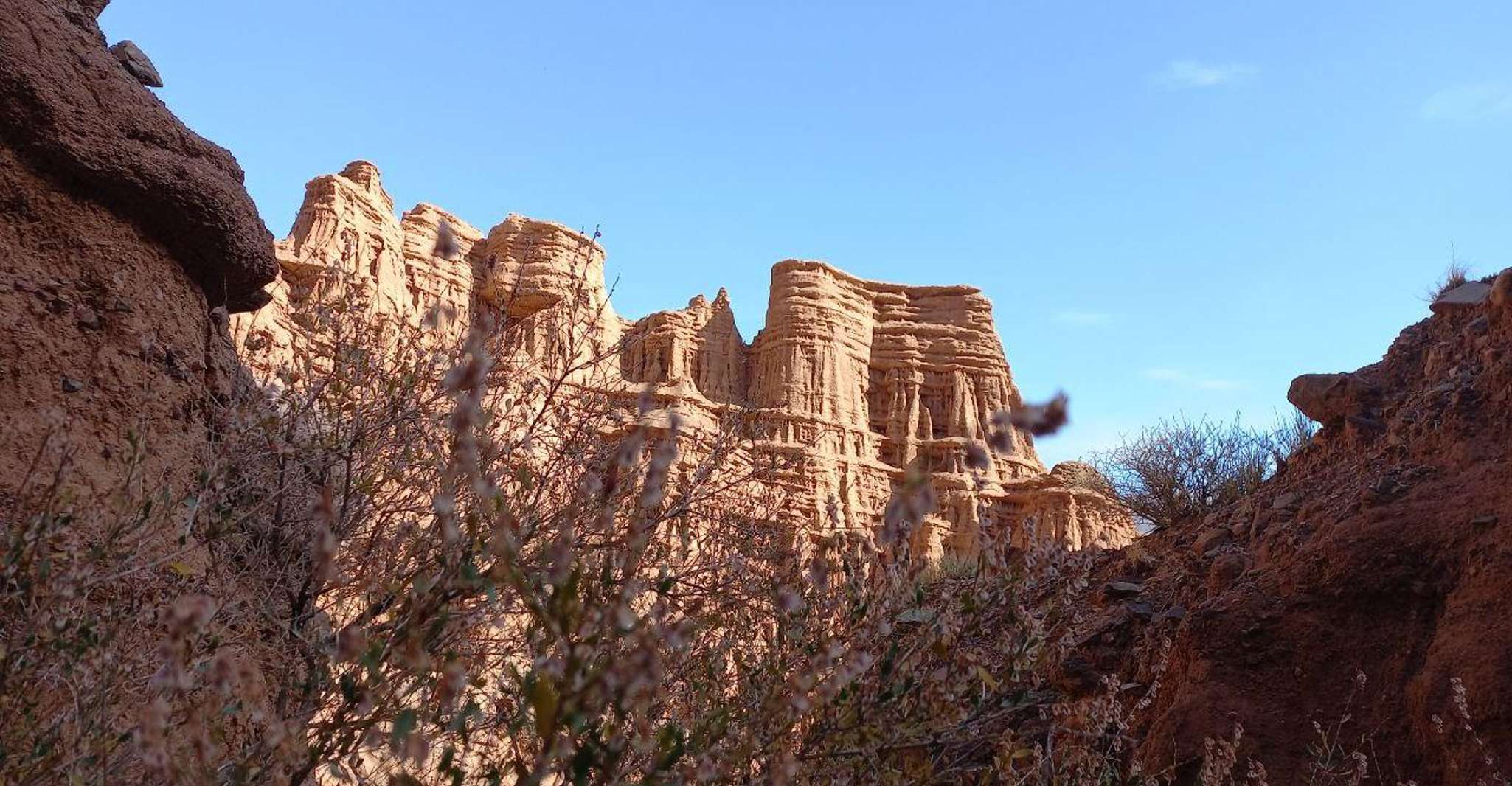
Bishkek, Kyrgyz Republic
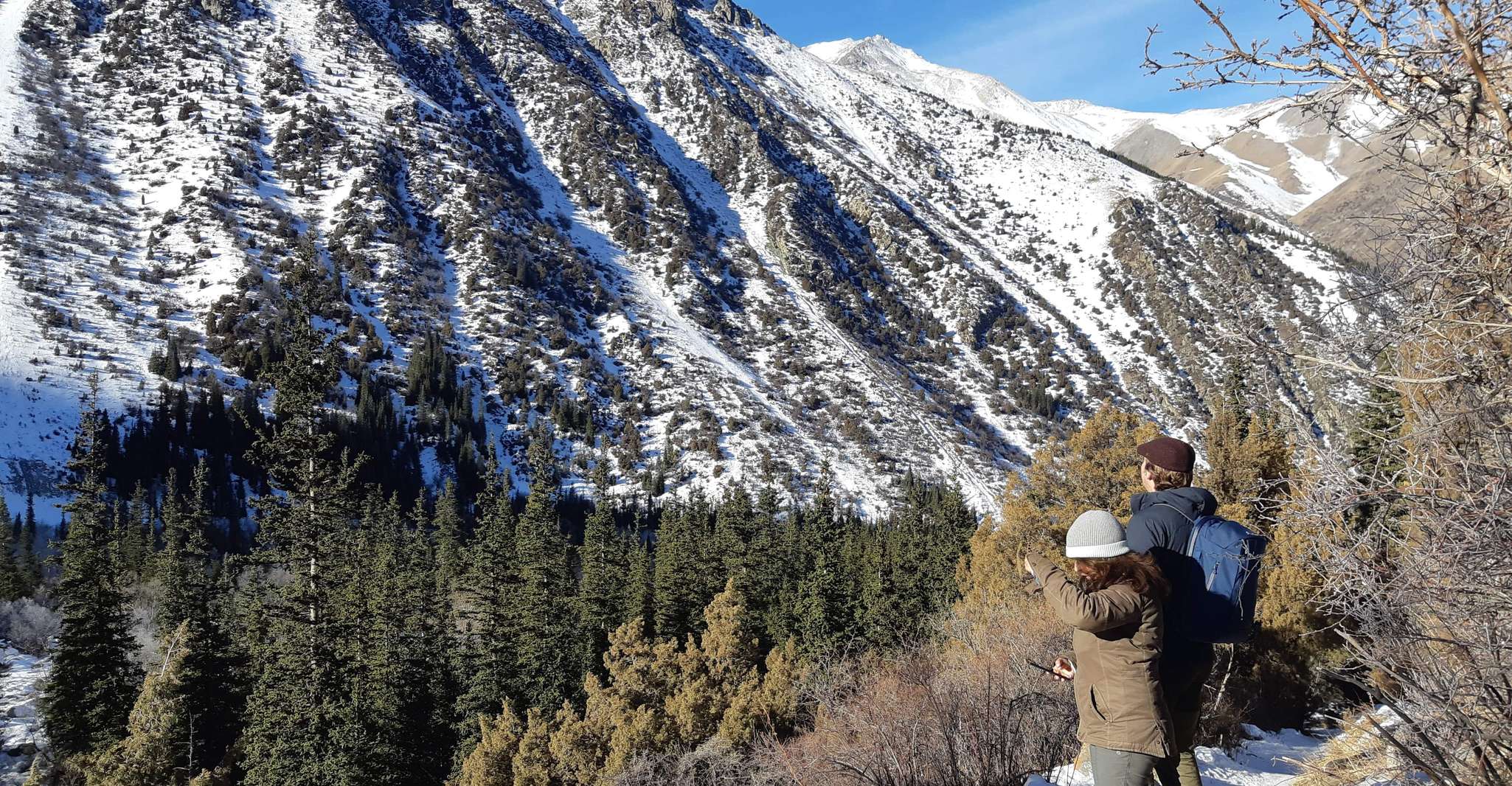
Bishkek, Kyrgyz Republic
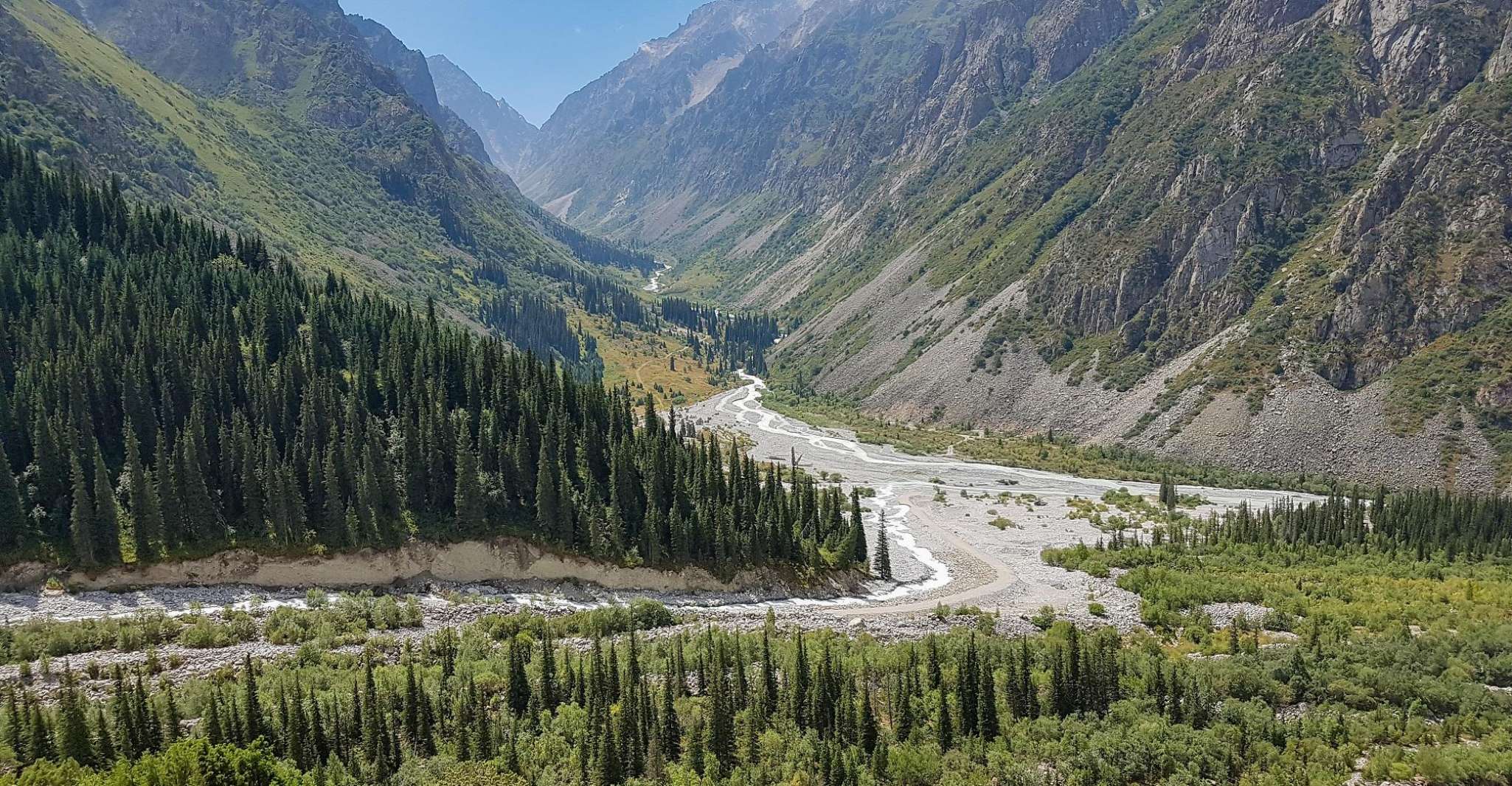
Bishkek, Kyrgyz Republic

Bishkek, Kyrgyz Republic

Subscribe to our newsletter and get the best offers!
By entering your email address, you agree to receive personalized offers and automated commercial communications, including promotions about our products and services, as well as those from selected partners (without sharing your data with third parties). For more details or to withdraw your consent, please refer to our Privacy Policy. You can unsubscribe at any time via the link in the email.